
Answer
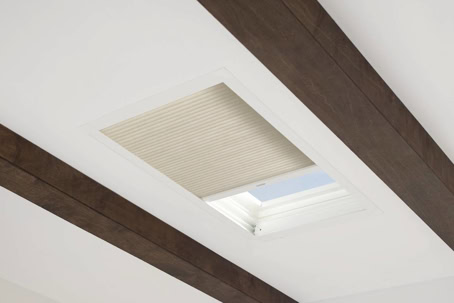
Controlling natural light and indoor temperature from overhead windows requires choosing window coverings made for sloped areas. For example, cellular shades, when installed correctly, can decrease summer heat gain by as much as 80%. DM Interiors suggests these shades because they insulate well and spread light evenly. This helps keep inside temperatures steady and cuts down on glare all day.
Overview
Skylight coverings manage glare, reduce excessive heat, and block UV exposure in rooms with overhead windows. Selecting appropriate shades greatly improves indoor comfort and lowers energy consumption. Homeowners can review different options to control light and temperature effectively. A real-world example featuring Eleanor demonstrates practical choices and results.
- Shade Types: Explore different window coverings suitable for overhead installations.
- Control Options: Compare the benefits of motorized and manual operating systems.
- Real-World Example: a homeowner makes a choice based on specific material properties.
- Energy Savings: Discover how window coverings contribute to reduced energy consumption.
- Care Tips: Learn about the installation and maintenance requirements for these solutions.
- DM Interiors: Find tailored advice for selecting the best skylight shade solutions.
Top Skylight Shade Types
Choosing the correct skylight shade type directly affects interior comfort and a home’s energy efficiency. Many homeowners look for ways to block strong sunlight while still allowing natural light indoors. Various shade styles offer distinct advantages for managing glare and heat.
DM Interiors notes a consistent demand for adaptable window coverings that adjust to daily light changes. Cellular shades are a popular option because their honeycomb construction insulates by trapping air, which helps stabilize room temperatures. When selecting best Skylight shades, evaluate the material, light-blocking level, and operating system for optimal results.
| Shade Type | Key Benefits |
|---|---|
| Cellular shades | Excellent insulation, strong UV protection, and a clean, pleated look. |
| Roman shades | Provide a softer, fabric-based style with diverse textures and patterns; offer good light control. |
| Roller Shades | Feature a simple design, come in many opacities from sheer to blackout, and operate easily. |
| Pleated Shades | Compact when raised, creating a neat line; available in various fabric types for light diffusion or privacy. |
Motorized vs. Manual Skylight Shades
Selecting between motorized and manual skylight shades involves considering ceiling height, window access, and preferred ease of use. Motorized options offer simple operation, particularly for skylights positioned high up. Manual systems present a more straightforward, budget-friendly alternative. Property owners should think about how often they will adjust the shades and the level of automation they prefer.
Motorized shades connect with smart home setups, enabling scheduled adjustments or control through a mobile application. For example, motorized shades can close on their own during times of strong sun to lessen heat buildup. DM Interiors often suggests battery-powered motorized shades for clients wanting simple operation without needing complex electrical work, especially for skylights in areas like living rooms or sunrooms.
Manual shades, operated with a telescopic pole or a tension mechanism, suit more reachable skylights or when cost is a main concern. Both shade types effectively manage light and temperature, but their daily interaction differs greatly. The best skylight shade choices balance ease of use with practical needs for each home.
| Feature | Motorized Skylight Shades | Manual Skylight Shades |
|---|---|---|
| Convenience | Remote, wall switch, or app control; works well for high windows. | Pole or crank operation; requires physical access or a tool. |
| Cost | Higher initial expense for motor and controls. | Lower initial cost, simpler mechanics. |
| Power Source | Battery (often rechargeable), low-voltage wiring, or solar. | No power source needed, operates mechanically. |
| Integration | Connects with smart home systems and PowerView Automation. | Operates independently, no smart home connection. |
| Maintenance | Requires battery changes or recharging; motor lifespan is a factor. | Minimal upkeep, occasional cleaning. |
Choosing the Right Material
Managing sunlight and temperature from windows positioned overhead poses a distinct challenge for many homes. The selection of window coverings directly affects indoor comfort and can significantly impact household energy expenses.
Eleanor seeks an effective solution for her attic room, which receives intense sunlight. The bright conditions make the space uncomfortable during the day, and she worries about higher energy bills from constant cooling needs. She considers cellular shades due to their known insulation qualities but questions if they offer the best choice for her specific skylight. Should Eleanor prioritize cellular shades for their insulation when selecting the best skylight shades?
Recommendation: Cellular Shades for Skylights
DM Interiors suggests cellular shades because of their excellent insulating characteristics and ability to soften incoming light. These shades help maintain steady indoor temperatures and lessen glare, which proves especially helpful for rooms with substantial overhead sun exposure.
Energy Saving Benefits
Skylight window coverings help regulate indoor temperatures, improving energy efficiency. During warmer months, these specialized treatments can block up to 80% of incoming solar heat. This action reduces the need for cooling systems. Conversely, in colder periods, shades add an insulating layer, which helps keep indoor heat from escaping.
Selecting appropriate window treatments for skylights helps maintain comfortable indoor temperatures throughout the year. DM Interiors frequently suggests materials like cellular shades due to their insulating structure, which assists homeowners in lowering utility bills. Energy Efficient blinds work by trapping air within their cells, creating a thermal barrier.
DM Interiors installs various shades, including roller solar shades, designed to meet specific energy-saving goals. For greater control and maximum efficiency, many clients select automated systems such as Powerview Automation, which allows for precise light and temperature adjustments.
- Reduced Cooling Costs: Shades block direct sunlight, preventing excessive heat buildup in summer.
- Lower Heating Bills: An insulating layer prevents heat from escaping through the skylight in winter.
- UV Protection: Filtering harmful UV rays protects furniture and flooring from fading, extending their lifespan.
- Glare Reduction: Shades soften intense overhead light, improving visibility and comfort for activities like reading or watching TV.
- Improved Comfort: Consistent indoor temperatures mean fewer drafts and hot spots, creating a more pleasant living space.
Installation and Maintenance
Correct installation of skylight shades ensures proper function, delivering benefits such as light control and insulation. Improper mounting can cause shades to sag, fail to close completely, or motors to malfunction early. While a do-it-yourself approach can reduce initial expenses, it often demands specialized tools and specific skills for accurate measurements and secure attachment on sloped surfaces.
DM Interiors advises professional installation, particularly for motorized or custom-shaped skylights. This ensures peak performance and a longer product lifespan. We frequently see shades installed incorrectly that later require re-fitting, leading to higher costs over time. Professional service typically includes adjustments and testing to confirm smooth operation, preventing common problems like uneven tracking or jammed mechanisms.
Maintaining skylight shades involves routine dusting and spot cleaning according to manufacturer instructions for different fabrics. Regularly inspect cords or motors for wear to ensure they continue working. For example, window blind repair can often extend a shade’s life, delaying the need for full replacements.
| Installation Method | Key Points |
|---|---|
| DIY Installation | Requires exact measurements, specific tools, and comfort working at elevated positions. Incorrect installation might void product warranties. |
| Professional Installation | Guarantees a correct fit, secure mounting, and proper function of all parts. This service often includes a warranty on the installation itself. DM Interiors offers professional installation for all custom window treatments. |
DM Interiors Expert Recommendations
Choosing the right skylight shade improves a room’s comfort and energy savings. Effective shade selection considers the skylight’s direction and the room’s function for optimal outcomes. For instance, opaque materials work best for south-facing skylights to block strong midday sun.
DM Interiors focuses on creating ideal interior solutions. Every window treatment choice matches your home’s specific needs. We assist homeowners in reviewing options, balancing light control with desired aesthetics.
| Product | Best for | Budget | Reason |
|---|---|---|---|
| Cellular shades | Insulation and diffused light | Mid-range | Their honeycomb design traps air, reducing heat transfer and glare. |
| Roman shades | Decorative appeal and soft light filtering | Mid-to-high | Fabric selections offer style options, good for areas with less intense sun. |
| Motorized shades | Hard-to-reach skylights and convenience | Higher-end | Remote control allows easy adjustment of light and privacy, especially for high ceilings. |
| Roller solar shades | UV protection and glare reduction | Mid-range | These shades block UV rays while keeping outdoor views, protecting furniture. |
DM Interiors suggests considering the skylight’s size and how accessible it is when making a final choice. Battery-powered motorization often proves most practical for skylights due to wiring difficulties, offering easy use with the best skylight shades solutions.
FAQ
To help you make an informed decision about enhancing your home, we’ve compiled answers to some common questions about finding the best skylight shades solutions and their benefits.
| Question | Answer |
|---|---|
| What type of skylight shade offers the best insulation? | Cellular shades are recommended for their superior insulating properties. Their honeycomb structure traps air, creating a thermal barrier that helps regulate indoor temperatures. This can reduce heat gain in the summer and heat loss in the winter. |
| How do motorized skylight shades compare to manual ones? | Motorized skylight shades offer convenience, especially for high or hard-to-reach windows, allowing control via remote, app, or smart home systems. Manual shades are a simpler, more budget-friendly option operated by a pole or crank. |
| Should I prioritize cellular shades for a sun-drenched attic room? | Yes, cellular shades are a good choice for sun-drenched rooms due to their insulating capabilities and ability to diffuse light. They help manage intense sunlight, reduce glare, and contribute to a more stable indoor temperature. |
| What are the energy-saving benefits of installing skylight shades? | Skylight shades can reduce cooling costs by blocking up to 80% of solar heat during summer. They also help lower heating bills in winter by providing an insulating layer. Additionally, they offer UV protection for furnishings and reduce glare. |