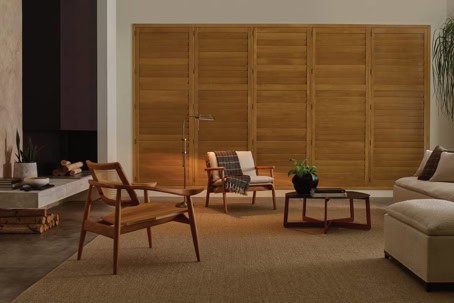
Understanding Faux vs Real Wood Shutters
When considering window treatments, the choice between faux vs real wood shutters is a significant decision for many homeowners. Both options offer distinct aesthetic and functional advantages, impacting your home’s interior design, durability, and budget. Understanding these differences is crucial for selecting the best fit.
Real wood shutters bring a classic elegance and natural warmth, often prized for their unique grain patterns and timeless appeal. In contrast, faux wood shutters provide a highly durable and low-maintenance alternative, designed to withstand various environmental conditions. For a detailed comparison, you can explore composite shutters vs wood for more.
This guide will explore the core characteristics of each material, helping you navigate their features, benefits, and drawbacks. Our goal is to equip you with the knowledge needed to make an informed decision that aligns with your specific needs and preferences.
What Are Faux Wood Shutters?
Faux wood shutters are a popular and versatile window treatment designed to mimic the aesthetic of natural wood without the associated maintenance. These shutters are engineered from various synthetic materials, offering durability and moisture resistance that natural wood often lacks. When considering interior design elements for your home, understanding the composition of these alternatives is key to appreciating their benefits in the faux vs real wood shutters debate.
The core appeal of faux wood lies in its ability to provide a classic look with modern functionality. These shutters are particularly well-suited for environments with high humidity or frequent temperature fluctuations, where real wood might warp or crack. Their construction often involves a solid core with a protective coating, contributing to their longevity and ease of care.
- PVC (Polyvinyl Chloride). These shutters are highly resistant to moisture, making them ideal for bathrooms, kitchens, and other humid areas. They are durable, easy to clean, and less prone to warping or cracking than real wood.
- Composite Wood. Typically made from a blend of wood particles and synthetic binders, composite shutters offer a sturdy and stable option. They often provide better insulation properties than pure PVC and can closely replicate the texture and feel of natural wood.
- Vinyl. Lightweight and cost-effective, vinyl faux wood shutters are another option. While they may not always offer the same level of rigidity as PVC or composite, they provide good moisture resistance and are easy to maintain.
- Engineered Wood with Polymer Coating. This type combines the stability of an engineered wood core with a durable polymer layer. This construction enhances resistance to scratches and moisture, making them a robust choice that maintains a refined appearance.
Each material offers distinct advantages, influencing factors such as appearance, longevity, and cost. Ultimately, the choice between different types of faux wood or other window coverings depends on specific needs and preferences within your home. For a classic and elegant look, consider exploring https://dminteriorsanddesign.com/hunter-douglas/shutters/wood-shutters/ for real wood options.
What Are Real Wood Shutters?
Real wood shutters offer a classic and luxurious appeal, crafted from various natural timber species. Unlike their synthetic counterparts, these shutters provide unique grain patterns and textures that add warmth and character to any space. The choice between faux vs real wood shutters often comes down to appreciating these natural qualities.
Each type of wood used for shutters brings distinct characteristics regarding durability, finish, and suitability for different environments. Understanding these differences is key to making an informed decision for your home’s interior design. For a detailed comparison, you can explore our guide on composite shutters vs wood, or discover how to create a cohesive look with our interior color palettes guide.
Common Types of Wood for Shutters
When selecting real wood shutters, several popular wood species are commonly used due to their aesthetic and functional properties. These include pine, poplar, and basswood, each offering specific advantages.
| Wood Type | Characteristics |
|---|---|
| Pine | Lightweight, knotty appearance, often more economical. Easily stained or painted. |
| Poplar | Smooth, uniform texture, takes paint exceptionally well. Less prone to warping than some other woods. |
| Basswood | Known for its fine, even grain and stability. Excellent for painting and staining, highly durable, and resistant to warping. |
The natural variations in real wood mean that no two shutters are exactly alike, providing a bespoke element to your home decor. This organic beauty is a significant factor for many homeowners weighing faux vs real wood shutters, and understanding the differences can help you decide which is right for you.
Benefits of Real Wood Shutters
Real wood shutters provide unmatched elegance and a timeless aesthetic that synthetic materials often struggle to replicate. They offer excellent insulation, helping to regulate indoor temperatures and potentially reduce energy costs.
- Natural Beauty: The inherent grain and texture of real wood create a rich, authentic look.
- Customization: Real wood can be stained or painted in a vast array of colors to perfectly match existing decor.
- Durability: With proper care and maintenance, real wood shutters can last for many decades, becoming a long-term investment.
- Increased Home Value: High-quality real wood shutters can enhance the resale value of a property due to their premium appeal.
Choosing real wood shutters means investing in a product that blends traditional craftsmanship with functional benefits, creating a warm and inviting atmosphere. To understand more about the differences, you can explore our guide on composite shutters vs wood, or discover more about current interior design trends and tips.
Key Differences: Faux vs Real Wood Shutters
When evaluating faux vs real wood shutters, understanding their fundamental differences is crucial for making an informed decision. These distinctions span appearance, performance, and suitability for various environments within a home.
Real wood shutters, crafted from natural timber, offer an authentic aesthetic with unique grain patterns and textures. They bring a classic, warm feel to any room and can be customized with a wide range of stains and paints to match specific decor.
Faux wood shutters, on the other hand, are engineered from composite materials like PVC or MDF wrapped in a polymer coating. While designed to mimic the look of real wood, they typically feature a more uniform appearance without the natural variations found in genuine timber. The choice between faux vs real wood shutters often comes down to balancing these visual characteristics with other practical considerations, as well as exploring current seasonal window decor trends for more.
Appearance and Aesthetic
The visual appeal is often the first consideration when choosing between faux vs real wood shutters. Real wood offers a rich, natural beauty that is hard to replicate. Its unique grain, knots, and variations contribute to an organic, high-end look. For a deeper dive into material comparisons, you can explore our guide on composite shutters vs wood.
Faux wood provides a consistent finish, which can be advantageous for a clean, uniform aesthetic. While advancements have made faux wood incredibly realistic, discerning eyes may still notice the difference. The depth of color and natural warmth of genuine wood remain unparalleled.
Durability and Longevity
Durability is a significant factor in the faux vs real wood shutters debate. Real wood, especially high-quality hardwoods, is robust but susceptible to environmental factors like humidity and moisture, which can cause warping, cracking, or fading over time without proper care. However, with good maintenance, real wood shutters can last for decades.
Faux wood shutters excel in humid or moisture-prone environments like bathrooms and kitchens. They are engineered to resist warping, cracking, and peeling, making them highly durable and low-maintenance. This makes them a practical choice for areas where real wood might struggle, and they are particularly well-suited for window treatments in extreme climates.
Environmental Suitability
The environment where shutters will be installed plays a vital role in the selection of faux vs real wood shutters. Real wood is best suited for stable environments with controlled humidity and temperature, making it ideal for living rooms, bedrooms, and dining areas. For a comprehensive comparison of materials, you can explore our guide on composite shutters vs wood.
Faux wood is specifically designed for challenging conditions. Its resistance to moisture and UV rays makes it perfect for high-humidity areas, direct sunlight, or spaces with fluctuating temperatures. For properties in coastal regions or areas with extreme climates, faux wood often proves to be the more resilient option. If you need help planning your space, consider consulting with custom interior designers.
Pros and Cons of Faux Wood Shutters
When considering window treatments, understanding the specific advantages and disadvantages of faux wood shutters is crucial. This section provides a balanced view, detailing the benefits and drawbacks to help homeowners make an informed decision regarding faux vs real wood shutters for their interior design needs.
Faux wood shutters offer a compelling alternative to traditional wood, particularly in certain environments and for specific aesthetic goals. Their construction provides distinct characteristics that appeal to many homeowners. For a comprehensive comparison, explore our insights on composite shutters vs wood, or learn more about custom window treatments for your home.
| Pros | Cons |
|---|---|
| Exceptional moisture resistance, ideal for bathrooms and kitchens. | Can be heavier than real wood, which might affect installation or large window applications. |
| Highly durable and less prone to warping, cracking, or fading. | Limited color and stain options compared to the natural variety of real wood. |
| Easier to clean and maintain, often requiring just a simple wipe down. | May lack the unique grain patterns and authentic feel of natural wood. |
| More affordable upfront cost than real wood shutters. | Not suitable for custom shapes or intricate designs due to material rigidity. |
| Excellent insulation properties, contributing to energy efficiency. | Repairing damage can be more challenging; often requires replacement of affected slats. |
Durability and Maintenance Advantages
Faux wood shutters are celebrated for their impressive durability and ease of maintenance, making them a practical choice for busy households. Unlike real wood, faux wood materials are engineered to withstand significant environmental stressors, and for a detailed comparison, you can explore our composite shutters vs wood guide.
They resist moisture, humidity, and UV damage, which means they won’t warp, crack, or fade over time. This makes them particularly suitable for areas like bathrooms, kitchens, and laundry rooms where real wood might suffer. Cleaning is also straightforward, typically requiring only a damp cloth to wipe away dust and grime, simplifying the upkeep compared to the more delicate nature of real wood shutters.
Cost-Effectiveness and Longevity
One of the primary benefits of choosing faux wood shutters is their cost-effectiveness. Generally, faux wood options are more affordable than real wood shutters, offering a high-end look without the premium price tag.
Beyond the initial savings, their robust construction contributes to a longer lifespan, often outperforming real wood in challenging conditions. This combination of lower purchase price and extended durability provides excellent long-term value for homeowners looking at faux vs real wood shutters, ensuring a stylish and functional window treatment for many years, and offering a different aesthetic than options like cellular shades vs roman shades.
Environmental Suitability and Versatility
Faux wood shutters excel in environments where real wood might falter, showcasing their superior environmental suitability. Their moisture resistance makes them an ideal solution for humid climates or rooms with high condensation, preventing issues like mildew and warping. For more information on how different materials perform in various conditions, consider reading our guide on composite shutters vs wood.
While they offer fewer custom stain options than real wood, faux wood shutters are still versatile enough to complement various interior designs. They provide consistent color and finish, ensuring a uniform look across all windows, which is a key consideration when deciding between faux vs real wood shutters for your home. Explore modern innovations in window treatments for more ideas.
Pros and Cons of Real Wood Shutters
Understanding the advantages and disadvantages of real wood shutters is essential when comparing them against faux wood options. This section delves into the practical insights gained from real-world installations, offering a balanced perspective on why real wood remains a popular choice for many homeowners. When considering faux vs real wood shutters, these points can help clarify which material best suits your needs. For a comprehensive comparison, explore our article on composite shutters vs wood, and consider how these treatments enhance spaces like bay windows.
Advantages of Real Wood Shutters
Real wood shutters offer several compelling benefits that make them a preferred choice for many interior designs. Their natural beauty and customizable nature are often highlighted by our team, and you can find more ideas for refreshing your space with our living room refresh ideas.
- Timeless Aesthetic: Real wood brings an unmatched natural warmth and elegance to any room. Its unique grain patterns and textures cannot be perfectly replicated by synthetic materials, providing a classic and sophisticated look that enhances property value.
- Customization Options: Wood shutters can be stained, painted, or finished in virtually any color, allowing for seamless integration with existing decor. This versatility makes them ideal for achieving a truly bespoke design.
- Durability and Longevity: With proper care and maintenance, real wood shutters are incredibly durable and can last for decades. They are a long-term investment that retains its beauty and functionality over time.
- Excellent Insulation: Wood is a natural insulator, helping to keep your home warmer in winter and cooler in summer. This can contribute to energy efficiency and lower utility bills.
Disadvantages of Real Wood Shutters
While offering many benefits, real wood shutters also come with certain drawbacks that homeowners should consider before making a decision in the faux vs real wood shutters debate. For a detailed comparison, explore our insights on composite shutters vs wood. Understanding why you should choose custom window coverings can help weigh these factors.
- Higher Cost: Real wood shutters generally have a higher upfront cost compared to faux wood alternatives. This is due to the natural material, craftsmanship, and custom finishing options.
- Maintenance Requirements: To maintain their appearance and structural integrity, real wood shutters require regular cleaning and occasional refinishing or repainting. They are susceptible to scratches and dents if not handled with care.
- Vulnerability to Moisture and Humidity: Wood is a natural material that can warp, crack, or swell in environments with high humidity or significant temperature fluctuations. This makes them less suitable for bathrooms or kitchens unless specifically treated.
- Pest Susceptibility: Like all wood products, real wood shutters can be vulnerable to pests such as termites or wood-boring insects, potentially requiring pest control measures.
Ideal Applications for Real Wood Shutters
Understanding where real wood shutters excel can guide your decision between faux vs real wood shutters. They are particularly well-suited for certain environments and design goals, and our guide to composite shutters vs wood can help you compare options. For example, learning how to control light with various window treatments can help you maximize the benefits of any shutter material.
- Living Rooms and Bedrooms: These areas typically have stable humidity levels, making them ideal for showcasing the natural beauty and warmth of real wood. The elegant aesthetic enhances comfort and style.
- Formal Dining Rooms and Studies: In spaces where a sophisticated and classic ambiance is desired, real wood shutters contribute significantly to the overall design. Their luxurious feel complements traditional or upscale decor.
- Homes with Traditional or Classic Decor: Real wood shutters seamlessly integrate with classic interior design themes, enhancing architectural details and period-specific furnishings.
- Areas Needing Enhanced Insulation: For rooms where temperature control is a priority, the natural insulating properties of wood can be a significant advantage, contributing to a more comfortable indoor environment.
Choosing the Right Shutters for Your Home
When selecting between faux vs real wood shutters, several factors come into play that can influence your decision. Making the right choice ensures your investment enhances both the beauty and functionality of your living space.
Considering the specific conditions of your home and your personal preferences will guide you to the ideal shutter material. For instance, you might want to compare composite shutters vs wood to make an informed decision. Here are key factors to consider:
Evaluate Your Climate and Room Environment: Real wood shutters are exquisite but can be susceptible to warping or cracking in high-humidity areas like bathrooms or kitchens. Faux wood shutters, conversely, excel in these environments due to their moisture-resistant properties.
Consider Durability and Maintenance: If low maintenance is a priority, faux wood shutters offer an advantage as they resist chipping, fading, and require only simple cleaning. Real wood shutters, while durable, may require occasional refinishing or repainting to maintain their appearance over time.
Assess Your Aesthetic Preferences: The natural grain and warmth of real wood shutters are unmatched for a classic, luxurious feel. However, modern manufacturing techniques allow faux wood options to mimic this aesthetic closely, offering a versatile range of finishes and colors to complement various interior designs.
Determine Your Budget: Generally, real wood shutters represent a higher initial investment compared to faux wood options. While both offer long-term value, your budget can be a significant determinant in deciding between faux vs real wood shutters.
Think About Light Control and Privacy Needs: Both types of shutters offer excellent light control and privacy. The primary difference lies in the material’s impact on insulation and sound dampening, with real wood often providing slightly better natural insulation. For enhanced convenience, consider exploring automated window treatments for smart living.
Maintenance and Durability: A Comparative Look
When considering faux vs real wood shutters, understanding their maintenance and durability is crucial for a long-term investment. Both types offer different levels of resilience and care requirements, impacting their suitability for various environments within your home.
Real wood shutters, while beautiful, require more specific care to maintain their appearance and structural integrity. They are susceptible to issues like warping, cracking, and fading if exposed to high humidity, direct sunlight, or extreme temperature fluctuations. Regular dusting with a soft cloth is recommended, and occasional cleaning with wood-safe products can help preserve their finish. To prevent damage, it’s often advised to avoid harsh chemical cleaners or excessive moisture. For a detailed comparison of materials, explore our insights on composite shutters vs wood.
Faux wood shutters, on the other hand, are engineered for enhanced durability and minimal maintenance. Typically made from PVC, composite, or vinyl, they are inherently resistant to moisture, humidity, and UV radiation. This makes them an excellent choice for bathrooms, kitchens, or other areas prone to high moisture without the risk of warping or mildew that real wood might face. Cleaning faux wood shutters usually involves a simple wipe-down with a damp cloth and mild soap, requiring less effort and specialized products.
In terms of longevity, both options can offer years of service with proper care. However, faux wood often outperforms real wood in harsh conditions due to its synthetic composition. Real wood, when well-maintained and in appropriate environments, can last for decades, often developing a rich patina over time. The choice between faux vs real wood shutters ultimately depends on your lifestyle, the specific room conditions, and your willingness to commit to the required maintenance. For a deeper dive into the differences, consider this guide on composite shutters vs wood.
Cost Considerations: Faux vs Real Wood Shutters
Understanding the financial implications is a major factor when deciding between faux vs real wood shutters for your home. While the initial purchase price is important, it is also crucial to consider long-term value, maintenance costs, and potential resale impact.
Generally, faux wood shutters tend to be more budget-friendly upfront. This makes them an attractive option for homeowners seeking a stylish window treatment without a significant investment. Real wood shutters, conversely, often come with a higher price tag due to the material’s natural origins, craftsmanship, and bespoke finishing options.
However, the cost comparison of faux vs real wood shutters extends beyond just the initial outlay. Durability and maintenance play a role in the overall lifetime cost. Faux wood options typically require less upkeep, potentially saving money on repairs or specialized cleaning over time. Real wood may require periodic refinishing or more careful handling to preserve its appearance, which can add to its long-term cost. For a detailed comparison, you can explore our guide on composite shutters vs wood.
Here is a comparative breakdown of cost factors:
| Factor | Faux Wood Shutters | Real Wood Shutters |
|---|---|---|
| Initial Purchase Price | Lower to moderate | Moderate to high |
| Installation Costs | Similar to real wood, depending on complexity | Similar to faux wood, depending on complexity |
| Maintenance Requirements | Low (simple cleaning) | Moderate (periodic cleaning, potential refinishing) |
| Durability & Longevity | Excellent in high-humidity areas; good overall lifespan | Excellent with proper care; can last for decades |
| Resale Value Impact | Adds value as a durable, attractive upgrade | Adds significant value as a premium, custom feature |
When making your decision regarding faux vs real wood shutters, consider not only the immediate cost but also the value they bring to your home over time. A premium product like real wood shutters can be a significant investment that enhances your home’s aesthetic and market value. For a detailed comparison of materials, explore our guide on composite shutters vs wood.
Conclusion: Making Your Final Decision
Deciding between faux vs real wood shutters ultimately comes down to your specific needs, aesthetic preferences, and budget. Both options offer distinct advantages that can enhance your home’s appearance and functionality.
For areas with high humidity or moisture, such as bathrooms and kitchens, faux wood shutters are often the superior choice due to their resistance to warping and cracking. They are also an excellent option for those seeking a low-maintenance window treatment that offers durability and ease of cleaning.
Conversely, real wood shutters provide an unmatched natural beauty and a classic appeal that can significantly increase a home’s value. Their customizability in terms of stains and finishes allows for perfect integration with existing décor, making them ideal for living areas and bedrooms where a warm, organic feel is desired.
When weighing faux vs real wood shutters, consider the long-term investment, the climate of your region, and how much time you are willing to dedicate to maintenance. Our team is available to help you explore samples and discuss the best fit for your unique situation, and you can learn more about the differences in our composite shutters vs wood comparison.