
Answer
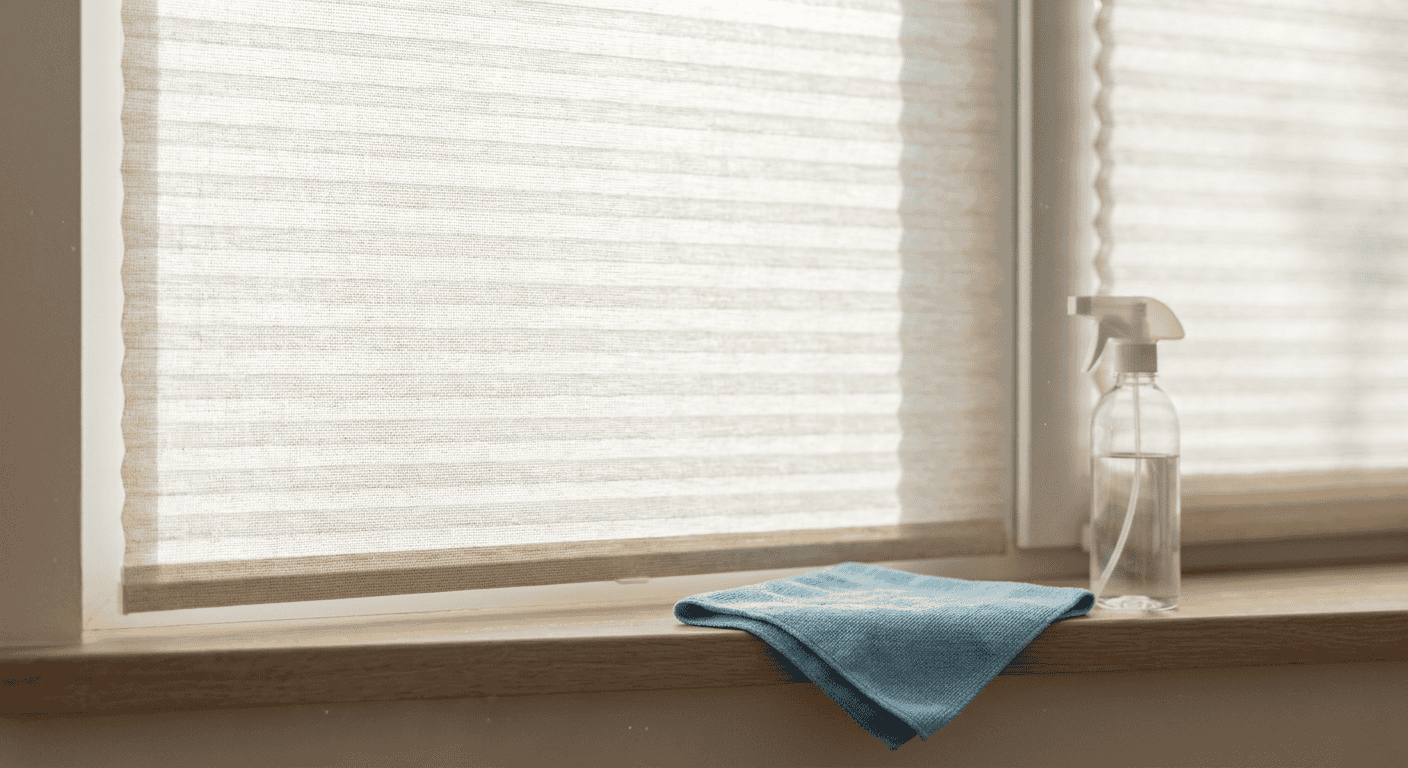
Cleaning fabric blinds begins with identifying the fabric type and its specific cleaning code. This code is typically located on a label or within the manufacturer’s instructions. For example, an ‘S’ cleaning code indicates that solvent-based cleaning methods are appropriate. Conversely, a ‘W’ code means water-based solutions are suitable. DM Interiors advises reviewing these specifics before any cleaning attempt to maintain the material and appearance of your window coverings.
Overview
Cleaning fabric blinds properly helps keep window coverings in excellent condition and free from damage. This content details the process, from initial evaluation to spot treatments and ongoing care suggestions.
A real-world example, featuring Chloe, demonstrates successful stain removal methods for common blind materials.
- Condition Check: Begin by checking the fabric type and cleaning code to determine safe cleaning methods.
- Supply Gathering: Collect all necessary items before starting, such as gentle cleaning agents and cloths.
- Real-World Example: Observe how to spot clean stains on fabric blinds effectively.
- Deep Cleaning: Discover ways for thorough cleaning that protect the fabric.
- Finishing Steps: Correctly dry and rehang blinds to prevent mildew and damage.
- Care Tips: Find additional suggestions for maintaining fabric blinds over time.
Assess Fabric Blinds Condition
Choosing the right cleaning approach for fabric window coverings begins with checking their material and current state. Before starting any Fabric Blinds Cleaning, always look for a care tag or manufacturer’s directions. These instructions offer precise guidance to help avoid damage. Using unsuitable cleaning products on fine materials or specific fabric weaves often leads to problems.
Each fabric type responds differently to liquids and chemicals, making an initial check essential. For example, some materials may shrink or develop stains when exposed to water, while others require solvent-based products. If a care label is present, it will usually show codes that specify appropriate cleaning methods. If no label exists, proceed carefully. Always test any cleaning solution on a hidden spot first, especially for items such as wood and faux wood blinds.
| Cleaning Code | Description |
|---|---|
| W | Water-based cleaning solutions work well for these materials. |
| S | Solvent-based cleaning is necessary; water may cause shrinking or staining. Professional cleaning is often suggested for these blinds. |
| W/S | Both water-based and solvent-based cleaners are suitable. |
| X | Only vacuuming is advised; avoid liquid cleaners. This applies to very delicate fabrics. For significant damage, consider window blind repair. |
Gather Essential Cleaning Supplies
Gathering the right tools and cleaning agents makes cleaning fabric blinds easier and protects the material. Specific cleaning products work best for various window treatments, ensuring safe and effective results. DM Interiors recommends preparing all items before beginning to avoid delays or harm.
Start general cleaning with soft cloths, a vacuum’s brush attachment, and mild detergents. Window coverings with features like shades Shutters blinds may require specialized brushes or microfiber towels to prevent fabric distortion. Always test cleaning solutions on a hidden spot first.
| Item | Purpose |
|---|---|
| Soft Bristle Brush or Vacuum Attachment | Removes loose dust and debris from the surface of fabric blinds. |
| Microfiber Cloths or Sponges | Used for blotting stains and applying cleaning solutions without damaging the fabric. |
| Mild Detergent or Fabric Cleaner | Breaks down dirt and grime; suitable for water-safe fabrics. Some battery wand repair kits include specialized cleaning wipes for fabric parts. |
| Distilled Water | Prevents water spots and mineral buildup, especially on delicate fabrics. |
| Spray Bottle | Allows for even application of cleaning solutions to specific areas. |
Spot Clean Stains on Fabric Blinds
Cleaning fabric blinds demands careful attention. Using incorrect methods risks permanent damage. Always identify the fabric’s specific cleaning code to choose safe and effective solutions.
Chloe sees dust and grime on her fabric blinds and wants to clean them. She does not know if her blinds need a water-based or solvent-based cleaning method and fears causing lasting damage. Which type of cleaner should Chloe use for her fabric blinds?
Recommendation: Professional Fabric Blinds Cleaning
DM Interiors advises professional cleaning if you are unsure about the fabric’s cleaning code. Professionals possess the skill to identify the material and apply the correct cleaning process. This approach ensures the blinds are cleaned well without damaging the fabric.
Deep Clean Your Fabric Blinds Safely
Cleaning fabric window coverings thoroughly helps keep them looking good and extends their use. This process involves more than simply dusting surfaces; it removes dirt and grime that builds up over time.
Before beginning, always check your fabric’s cleaning code. This code indicates if you can use water-based solutions or if dry-cleaning methods are necessary. DM Interiors advises a gentle approach to prevent damage, especially for delicate materials or detailed designs. When deep cleaning fabric blinds, remove them completely from their mountings to allow full access.
- Vacuum the blinds: Attach a brush to your vacuum cleaner. Remove loose dust and debris from both sides of the fabric, working from the top down.
- Prepare a cleaning solution: For “W” coded fabrics, mix a small amount of mild detergent, such as dish soap, with cool water. Create suds in a separate bowl.
- Clean the fabric panels: Dampen a clean, soft cloth with only the suds, avoiding too much moisture. Gently blot the fabric in small sections, moving systematically across each slat or panel.
- Rinse with a damp cloth: Use a second clean cloth dampened with plain water to blot away any soap residue. Change the water and cloth frequently to maintain cleanliness.
- Address stubborn areas: For any remaining spots, apply the spot cleaning method described previously.
Dry and Rehang Fabric Blinds
Careful drying stops mildew and keeps blinds in their correct form after cleaning. Air drying works best to preserve the fabric blinds’ original look and structure.
Place the blinds in a well-ventilated space. Keep them away from direct sun or too much heat, as these conditions can shrink or fade the material. Blot any remaining wetness with a clean, dry towel before returning them to the window. DM Interiors observes that poor drying frequently causes visible water marks or fabric distortion, which are hard to fix later. After the blinds are completely dry, rehang them with care. Make sure all cords and operating parts line up correctly.
| When to Rehang Fabric Blinds | Why Professional Help Works |
|---|---|
| After thorough air drying to stop mold and keep the shape. | For complex parts or delicate fabrics, professional service avoids harm. |
| When all wetness has gone to prevent water stains. | If cleaning involves special solvents, professional cleaning offers more safety. |
| Once all fabric feels dry, and moving parts operate freely. | When working with custom wood, faux wood blinds, or detailed patterns, a professional handles them properly. |
DM Interiors Fabric Blind Care Tips
Keeping your fabric window coverings clean requires consistent effort and correct methods. Regular, gentle upkeep makes them last longer and look fresh.
DM Interiors suggests a forward-thinking approach to fabric blinds cleaning, especially for delicate materials. We advise clients to clean dust and small marks quickly. This prevents stains from setting deeply, which might otherwise require more intense treatment or professional service.
| Care Tip | Best for | Frequency | Reason |
|---|---|---|---|
| Light Dusting | All fabric types | Weekly/Bi-weekly | Stops dust buildup and keeps fabric clean. |
| Spot Cleaning | Small, localized stains | As needed | Quick action on spills stops stains from becoming permanent. |
| Vacuuming with Brush Attachment | Larger surfaces, built-up dust | Monthly | Removes embedded particles better than dusting alone. |
| Professional Cleaning | “S” code fabrics, deep stains, delicate materials | Every 1-3 years or as needed | Specialized methods keep fabric looking good and intact for blinds and other window treatments. |
| Fabric Protection Spray | New or freshly cleaned fabric | After cleaning or installation | Creates a barrier against future stains and spills. |
FAQ
Below, we’ve compiled answers to some common questions about fabric blinds cleaning, offering practical advice to help you maintain your window treatments safely and effectively.
| Question | Answer |
|---|---|
| What cleaning code indicates that only vacuuming is recommended for fabric blinds? | The "X" cleaning code signifies that only vacuuming is recommended for fabric blinds. This code is typically used for very delicate fabrics. Liquid cleaners should not be applied to blinds marked with an "X" code. |
| How should Chloe approach spot cleaning her fabric blinds if she’s unsure of the fabric type? | If Chloe is unsure about her fabric blinds’ cleaning code, DM Interiors suggests she test any cleaning solution on an inconspicuous area first. This helps prevent permanent damage or staining. For visible stains, she should use a mild detergent mixed with water and gently blot the area. |
| When is it advisable to use a water-based cleaning solution on fabric blinds? | Water-based cleaning solutions are suitable for fabric blinds marked with a "W" cleaning code. For these, a small amount of mild detergent mixed with cool water can be used. Always use a damp cloth with only the suds to avoid oversaturating the fabric. |
| What is the purpose of using distilled water when cleaning fabric blinds? | Distilled water is recommended to prevent water spots and mineral buildup on fabric blinds, particularly on delicate materials. Using it during the rinsing stage helps maintain a clean appearance and avoids residue that tap water might leave behind. |