DM Interiors & Design Blog

Shades Shutters Blinds: Find Your Perfect Window Treatments

Turning Your Vision Into Reality

Table of Contents

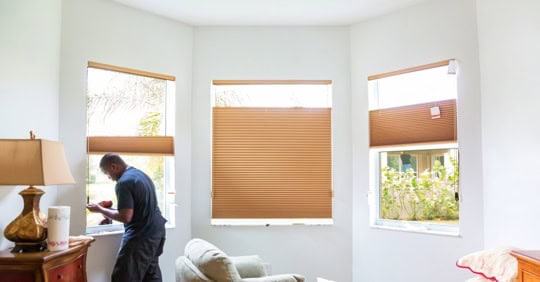
Bright living room with three windows featuring brown blinds, natural light, and cozy decor.

Related Posts

January 5, 2025 | By DM Interiors & Design
Bright living room with three windows featuring brown blinds, natural light, and cozy decor.

Window Treatment Options: Shades, Shutters, Blinds

Understanding the distinctions between shades, shutters, and blinds is key to enhancing your home’s aesthetic and functionality. These three primary window treatments offer diverse benefits in terms of light control, privacy, and insulation, each contributing uniquely to your interior design. For inspiration on how these elements can tie into your overall look, consider exploring your interior color palettes guide to a stunning home.

Shades, for instance, are typically made from soft fabrics and offer a wide range of textures and colors, providing a softer look and excellent light diffusion. Shutters, conversely, are more architectural, featuring solid frames and adjustable louvers that deliver robust privacy and light management.

Blinds are characterized by their hard slats, which can be tilted to precisely control light and visibility, making them a versatile and practical choice for many spaces. Deciding between shades, shutters, and blinds depends on your specific needs for decor, light filtration, and operational ease.

Defining Shades, Shutters, and Blinds

Understanding the distinctions between shades, shutters, and blinds is crucial when selecting the ideal window treatments for your home. Each category offers unique characteristics, materials, and functionalities that impact light control, privacy, and aesthetic appeal. Delving into these differences helps homeowners make informed decisions for their interior spaces, ensuring the chosen solution perfectly complements their style and needs. For example, exploring composite shutters vs wood can clarify material choices.

Whether you prioritize elegance, durability, or versatility, knowing the core features of shades, shutters, and blinds will guide you. This section breaks down each type, highlighting what makes them distinct in the world of window coverings.

Shades

Shades are typically made from a continuous piece of fabric or woven material that can be raised or lowered to cover a window. They offer a soft, elegant look and come in a vast array of colors, patterns, and textures, providing excellent light control and privacy. The variety of shades, shutters, and blinds available means there is a style for every decor, and exploring options like cellular shades versus Roman shades can help narrow down your choice.

  • Roller Shades: Simple and sleek, these shades roll up compactly into a headrail. They are available in various opacities, from sheer to blackout, making them versatile for different rooms and light requirements.
  • Roman Shades: Known for their classic, tailored appearance, Roman shades fold into neat pleats when raised. They add a touch of sophistication and come in numerous fabric options.
  • Cellular Shades (Honeycomb): These shades feature a unique honeycomb construction that traps air, providing excellent insulation and helping to regulate indoor temperatures. They are highly energy-efficient and come in various cell sizes and opacities.
  • Woven Wood Shades: Crafted from natural materials like bamboo, reeds, and grasses, woven wood shades bring an organic, textured look to any room. They filter light beautifully, creating a warm and inviting atmosphere.

Shutters

Shutters offer a classic and timeless window treatment. They provide excellent light control and privacy, and can enhance the architectural style of your home. For more information on different types of shutters, explore our shutters collection.

Shutters are rigid window coverings typically made from wood, faux wood, or composite materials. They consist of a frame with movable louvers that can be tilted to control light and airflow. Known for their durability and classic appeal, shutters provide a timeless look and superior insulation, making them a premium choice among shades shutters blinds. To understand the differences between materials, explore our guide on composite shutters vs wood for your home.

  • Plantation Shutters: Featuring wider louvers, plantation shutters offer a clean, elegant look and are highly effective at controlling light and privacy. They are a popular choice for their robust construction and ability to enhance property value.
  • Café-Style Shutters: These shutters cover only the bottom half of a window, allowing natural light to enter the top while providing privacy at eye level. They are ideal for kitchens or bathrooms where privacy is needed without sacrificing light.
  • Tier-on-Tier Shutters: Designed with two separate panels on top of each other, tier-on-tier shutters allow independent operation of the top and bottom sections. This offers maximum flexibility in light control and privacy.

Blinds

Blinds are characterized by their horizontal or vertical slats (or “louvers”) that can be tilted open or closed, as well as raised or lowered. Made from various materials such as wood, aluminum, or vinyl, blinds offer precise control over light and privacy. Their distinct structure sets them apart from shades and shutters, and you can explore modern innovations in blinds for smart home integration.

  • Horizontal Blinds: Often referred to as Venetian blinds, these feature horizontal slats that can be tilted to adjust light. They are available in wood, faux wood, and aluminum, offering different aesthetic and functional benefits.
  • Vertical Blinds: Best suited for large windows or sliding glass doors, vertical blinds have slats that run up and down. They can be drawn open to one side and tilted to manage light, providing a practical solution for expansive openings.
  • Mini Blinds: A type of horizontal blind with narrower slats, mini blinds are a cost-effective and functional option. They are common in offices and residential settings where a simple, efficient window covering is desired.

Understanding the unique features and functionalities of shades, shutters, and blinds is key to enhancing your home’s aesthetic and practical needs.

Window Treatment Design Principles

Selecting the right window treatments, including shades shutters blinds, involves more than just picking a style. It requires an understanding of fundamental design principles that balance aesthetics with practical needs like light management and privacy. Thoughtful consideration of these elements ensures your chosen window coverings enhance both the beauty and functionality of your home. For example, exploring modern innovations in shades and blinds can offer advanced solutions for light control and smart home integration, as detailed in our guide to interior design trends and tips for more.

Consider the architectural style of your home and the existing interior decor when making selections. Cohesive design creates a harmonious living space. The interplay of light, texture, and color contributes significantly to the overall ambiance of any room.

Aesthetics: Enhancing Visual Appeal

The aesthetic contribution of shades, shutters, and blinds is paramount in interior design. They serve as a crucial element that can tie a room together, adding texture, color, and visual interest. Whether you prefer minimalist designs or opulent drapes, the choice impacts the room’s character. Explore interior color palettes to find inspiration.

  • Color and Pattern: These elements can introduce vibrancy or subtle sophistication. Matching or contrasting with existing decor helps establish a mood.
  • Material and Texture: The feel and look of fabrics, wood, or synthetic materials influence light diffusion and acoustic properties.
  • Proportion and Scale: Ensuring the window treatments are appropriately sized for the windows and the room prevents them from looking out of place.

Light Management: Controlling Natural Illumination

Effective light management is a key function of shades shutters blinds. Different types offer varying degrees of control over natural light, from complete blackout to gentle diffusion. This control is vital for comfort, energy efficiency, and protecting interiors from UV damage, and can be enhanced by considering seasonal window decor trends for a cohesive look.

  • Blackout Options: Ideal for bedrooms or media rooms where complete darkness is desired.
  • Light Filtering: Allows natural light to enter while maintaining privacy and reducing glare.
  • Adjustable Louvers/Slats: Shutters and some blinds provide precise control over the angle and intensity of incoming light.

Privacy: Securing Your Space

Privacy is a primary concern for many homeowners when choosing window treatments. Shades, shutters, and blinds offer diverse solutions to shield your interior from outside view, creating a sense of security and intimacy within your home. For instance, understanding the differences between various shade types, such as the comparison of honeycomb versus pleated shades, can help you make an informed decision.

  • Top-Down/Bottom-Up Shades: These provide versatile privacy, allowing natural light from the top while keeping the lower portion covered.
  • Solid Shutters: Offer maximum privacy and security when closed, making them a robust option.
  • Opaque Fabrics: Materials with higher denier counts or lining can significantly reduce visibility into your home.

Understanding the design principles behind aesthetics, light management, and privacy is crucial when selecting shades, shutters, and blinds for your home, ensuring they meet both your functional and stylistic needs.

Choosing the Right Window Treatments

When selecting window treatments, consider the balance between light control and privacy needs, as well as the overall aesthetic you wish to achieve; exploring options like cellular shades versus Roman shades can help you make an informed decision.

Selecting the perfect window treatments, whether shades, shutters, or blinds, involves weighing various factors to match your individual needs, personal style, and budget. This guide will help you navigate the process, ensuring your choice enhances your living space effectively. For instance, understanding the differences between cellular and Roman shades can significantly impact your decision, as these types offer distinct benefits for insulation and aesthetics.

  1. Assess Your Privacy Needs: Consider how much privacy each room requires. Bedrooms and bathrooms typically need full privacy, while living areas might benefit from options that allow for partial views or diffused light.

  2. Evaluate Light Control: Determine the desired level of light in each space. Do you need room-darkening for a media room, or prefer soft, filtered light for a kitchen? Different shades, shutters, and blinds offer varying degrees of light management, and you can learn more about mastering your home’s light for more.

  3. Prioritize Energy Efficiency: Window treatments can significantly impact your home’s insulation. Insulated options can help maintain indoor temperatures, reducing heating and cooling costs, especially important for shades, shutters, blinds in extreme climates.

  4. Consider Room Functionality: The purpose of the room dictates the most practical choice. For instance, moisture-resistant materials are ideal for bathrooms and kitchens, while child-safe cordless options are essential for playrooms.

  5. Match Your Aesthetic: Your window treatments should complement your home’s interior design. Explore different styles, materials, and colors to find options that integrate seamlessly with your existing decor, whether modern or traditional.

  6. Set a Budget: Establish a realistic budget for your shades, shutters, and blinds. Prices vary widely based on material, customization, and type, so knowing your financial parameters upfront will help narrow down your choices.

The right window treatments can significantly enhance your home’s energy efficiency. Well-insulated window treatments act as an additional barrier against heat transfer, keeping your home warmer in winter and cooler in summer. Cellular shades, for example, are known for their honeycomb structure that traps air, providing excellent insulation. Plantation shutters, with their solid construction, also offer considerable thermal benefits. Investing in energy-efficient window treatments can lead to noticeable savings on utility bills over time, and you can learn more about custom window coverings benefits for more.

Integrating Style with Room Function

The best window treatments seamlessly blend with your home’s decor while meeting the practical demands of each room. In high-traffic areas or spaces prone to moisture, durability and ease of cleaning are crucial considerations for your shades, shutters, and blinds, especially when considering window treatments for extreme climates.

For a cohesive look, consider the overall style of your home. Whether you prefer the classic elegance of wood shutters, the soft versatility of fabric shades, or the sleek lines of modern blinds, there’s a solution that can elevate both the appearance and utility of your windows.

Choosing the ideal shades, shutters, and blinds for your home involves balancing aesthetic desires with practical needs like privacy, light control, and energy efficiency. Carefully consider these factors to make informed decisions that enhance your living spaces.

Professional Services for Window Treatments

Navigating the vast array of options for shades, shutters, and blinds can be overwhelming for homeowners. Professional services offer invaluable assistance, ensuring you select the perfect window treatments that align with your aesthetic preferences and functional needs. For instance, understanding the differences between composite shutters and wood can guide your material choices.

These services typically encompass everything from initial design consultations to precise installation, guaranteeing a seamless experience and optimal results. Expert guidance is crucial when investing in shades, shutters, blinds to enhance your home’s comfort and style. For instance, understanding the differences between composite shutters and wood can significantly impact your choice, and working with custom interior designers can help you make informed decisions.

Expert Design Consultations

Design consultations provide a personalized approach to selecting window treatments. During these sessions, specialists assess your space, discuss your vision, and recommend suitable options for shades, shutters, and blinds. Learn more about custom window treatments to elevate your home’s style and value.

They consider factors such as natural light, privacy requirements, insulation needs, and overall room decor. This tailored advice helps you make informed decisions, ensuring the chosen window coverings complement your interior design.

  • Personalized Recommendations: Experts suggest materials, styles, and operating mechanisms best suited for each room.
  • Aesthetic Harmony: They ensure your selections integrate seamlessly with your existing furniture and color schemes.
  • Functional Solutions: Professionals help identify window treatments that address specific concerns like glare reduction or energy efficiency.

Professional Installation Services

Beyond selection, professional installation is paramount for the longevity and proper functioning of your shades, shutters, and blinds. Incorrect measurements or faulty installation can lead to operational issues and diminish the aesthetic appeal of your window coverings.

Our team ensures that every product is fitted perfectly, operates smoothly, and provides maximum performance. This attention to detail safeguards your investment and delivers lasting satisfaction.

  • Precision Measurement: Accurate measurements are taken to ensure a perfect fit, preventing gaps or ill-fitting treatments.
  • Secure Mounting: Window treatments are securely installed, adhering to safety standards and manufacturer guidelines.
  • Operational Excellence: Each product is tested to confirm smooth operation and functionality before completion.

Choosing the right shades, shutters, and blinds significantly impacts your home’s aesthetics and functionality, and professional services ensure a perfect match for your needs, much like how expert application can transform a room with wallpaper in Marietta, GA for more.

Benefits of Professional Installation

Professional installation for your new shades shutters blinds offers numerous advantages, ensuring optimal performance and longevity for your window treatments. While DIY might seem appealing, the precision required for proper fitting and functionality often necessitates expert handling.

Improper installation can lead to various issues, from ill-fitting treatments that compromise privacy and light control to mechanisms that fail prematurely. Our team understands the nuances of different window types and treatment styles, and we can help you explore options like custom window treatments for a perfect fit.

After installing hundreds of custom window treatments, we’ve found that proper alignment significantly improves their lifespan and functionality. This attention to detail ensures your shades shutters blinds operate smoothly for years to come.

Beyond functional aspects, professional installation contributes significantly to the aesthetic appeal of your home. Perfectly measured and mounted window coverings enhance the overall look and feel of your interior design, providing a polished and cohesive finish.

Opting for professional installation ensures your shades, shutters, and blinds are perfectly fitted and function flawlessly, enhancing both their appearance and durability.

Styles: Modern vs. Traditional Window Treatments

Understanding the stylistic differences between modern and traditional window treatments is crucial for homeowners looking to select the perfect shades, shutters, blinds that complement their interior design. Each aesthetic offers unique characteristics in terms of materials, colors, and overall visual impact. By exploring these distinctions, you can effectively categorize various options for shades, shutters, and blinds within either a contemporary or classic setting, ensuring your window coverings enhance your home’s unique character. For instance, when considering different types of shades, understanding the nuances between cellular shades vs roman shades can help you make an informed decision.

Modern Window Treatment Aesthetics

Modern window treatments often feature clean lines, minimalist designs, and a focus on functionality. They tend to incorporate innovative materials and smart home technology, such as automated blinds and shades that can be controlled remotely. For homeowners interested in the latest advancements, exploring modern innovations in shades and blinds can offer a glimpse into the future of home automation and design.

Modern window treatments often emphasize clean lines, minimalist designs, and functional simplicity. The focus is on unembellished forms and a streamlined appearance that integrates seamlessly with contemporary decor. Materials commonly include sleek metals, smooth fabrics, and innovative composites.

Color palettes for modern shades, shutters, and blinds tend towards neutrals like white, gray, and black, alongside muted tones or bold, singular colors. Patterns are typically geometric, abstract, or entirely absent, allowing the texture and material to speak for themselves. Automated or smart home features are frequently incorporated for convenience and a high-tech feel, aligning with modern living. Discover more about modern innovations in shades and blinds.

Traditional Window Treatment Characteristics

Traditional window treatments are characterized by classic elegance, ornate details, and rich textures. These designs often draw inspiration from historical periods, featuring intricate patterns, luxurious fabrics, and decorative hardware. The goal is to create a sense of warmth, sophistication, and timeless charm.

Materials like natural wood, heavy silks, velvet, and brocade are common in traditional shades, shutters, and blinds. Colors often include deep jewel tones, earthy hues, and classic pastels, frequently combined with elaborate prints such as floral, damask, or toile. Layering different window coverings, like combining blinds with drapes, is also a hallmark of traditional styling, adding depth and grandeur. Understanding the specific needs of different window types, such as the reasons for bay window treatments, can further enhance your design choices.

Key Design Elements Differentiating Styles

When selecting shades, shutters, blinds, it helps to consider specific design elements that define modern versus traditional styles. These elements guide the choice of not just the window treatment type but also its finish, operation, and integration into the room’s overall aesthetic. For instance, understanding traditional color palettes can significantly influence the final look, and exploring 5 ways to give your living room a fun refresh can offer additional inspiration.

  • Material & Texture: Modern opts for smooth, synthetic, or light natural materials; Traditional favors rich, heavy, and natural fabrics or woods.
  • Color Palette: Modern uses neutrals and bold solids; Traditional prefers deep, complex colors and classic patterns.
  • Design & Form: Modern focuses on minimalism and clean lines; Traditional features ornate details, layering, and decorative elements.
  • Functionality: Modern often incorporates smart technology and cordless operation; Traditional relies on classic corded systems or manual operation, sometimes with decorative pulls.
  • Hardware: Modern employs understated, often concealed hardware; Traditional uses visible, decorative rods, finials, and tie-backs.

Choosing for Your Home’s Aesthetic

Deciding between modern and traditional shades, shutters, blinds ultimately depends on your existing decor and personal preference. A modern home might benefit from roller shades or sleek aluminum blinds, providing an uncluttered look and efficient light control. Conversely, a traditional setting could be enhanced by plantation shutters or Roman shades in a rich fabric, adding an element of classic luxury.

Consider the architecture of your home, the furniture, and any existing color schemes to ensure your window treatments are a cohesive part of your design vision. Whether you prefer the simplicity of modern design or the intricate beauty of traditional styles, the right window treatments can significantly elevate your living space. For inspiration on modern styles, explore our guide to modern innovations in shades and blinds, or learn more about the benefits of custom window coverings.

The choice between modern and traditional shades, shutters, blinds significantly impacts your home’s aesthetic and functionality, blending seamlessly with existing decor.

Cost of Shades, Shutters, and Blinds

Understanding the investment involved in selecting shades shutters blinds is a crucial step for any homeowner. The cost can vary significantly based on factors such as material, customization, size, and the complexity of installation.

Generally, shades offer the most budget-friendly options, while custom shutters represent a higher-end investment due to their durability and inherent property value enhancement. Blinds fall somewhere in the middle, providing a good balance of cost and functionality.

To help you budget for your window treatment project, here is a general overview of the cost factors for different types of shades, shutters, and blinds.

Window Treatment TypeGeneral Cost Range (Per Window)
Basic Roller Shades$50 – $150
Cellular/Honeycomb Shades$100 – $300
Roman Shades (Standard Fabric)$150 – $400
Faux Wood Blinds$70 – $200
Wood Blinds$120 – $350
Vertical Blinds$80 – $250
Vinyl Shutters$200 – $500
Composite Shutters$300 – $700
Wood Shutters$400 – $1000+

Please note that these ranges are estimates and can fluctuate depending on specific features like motorization, premium fabrics, or intricate designs. Consulting with a professional can provide precise quotes tailored to your unique needs, and for a deeper dive into specific shade types, you can explore our guide on cellular shades vs roman shades.

The cost of shades, shutters, and blinds varies widely depending on type, materials, and customization, with shades generally being the most affordable and custom shutters the most significant investment.

Maintenance and Care Guide

Proper maintenance is essential to ensure the longevity and appearance of your shades shutters blinds. Regular cleaning and care not only preserve their aesthetic appeal but also help them function optimally for years to come. Understanding the specific needs of each window treatment type can make a significant difference in their lifespan.

Different materials and mechanisms require varied approaches to cleaning and upkeep. For those with automated options, exploring the benefits of Powerview automated window treatments can also streamline your maintenance routine and enhance your living experience.

General Cleaning Tips for All Window Treatments

Whether you have delicate shades, sturdy shutters, or versatile blinds, a few general practices apply across the board. These steps form the foundation of a good maintenance routine for all types of shades shutters blinds, and for more advanced options, consider exploring modern innovations in shades and blinds, such as those featured in our Hamilton Mill – Thank You.

  • Regular Dusting: Use a feather duster, a soft cloth, or the brush attachment of your vacuum cleaner to gently remove dust from all surfaces. This prevents dust buildup, which can be harder to remove later.
  • Spot Cleaning: Address small stains promptly with a mild soap solution and a damp cloth. Always blot the stain rather than rubbing, and test the solution on an inconspicuous area first.
  • Avoid Harsh Chemicals: Never use abrasive cleaners, strong detergents, or solvents, as these can damage the material, fade colors, or compromise the integrity of your window treatments.
  • Follow Manufacturer Instructions: Always refer to the care instructions provided by the manufacturer for specific cleaning recommendations unique to your product.

Specific Care for Shades

Shades come in a variety of materials, each requiring tailored care to keep them looking their best. From cellular to Roman shades, understanding these nuances is key for proper maintenance of your shades shutters blinds. For example, learning about cellular shades vs Roman shades can help you choose the right type for your home. If you’re considering a full home refresh, our complete interior design consult can help guide your choices.

  • Fabric Shades (Roman, Roller, Cellular): Many fabric shades can be gently vacuumed with a low-suction brush attachment. For deeper cleaning, some can be spot cleaned or professionally cleaned. Avoid submerging fabric shades in water, as this can damage their structure and cause shrinkage.
  • Woven Wood Shades: These shades can be dusted or vacuumed. For stubborn dirt, a slightly damp cloth can be used, but ensure they dry completely to prevent mold or mildew.
  • Solar Shades: Typically made from vinyl or synthetic materials, solar shades are easy to wipe clean with a damp cloth and mild detergent.

Specific Care for Shutters

Shutters are known for their durability, but proper care helps maintain their finish and smooth operation. This section details how to keep your shutters, part of your shades shutters blinds collection, in prime condition. For a deeper understanding of shutter types, consider exploring the differences between composite shutters vs wood. If you’re considering a refresh of your window treatments, our one room consult can help you make the best choices.

  • Wood Shutters: Dust regularly with a soft cloth. For tougher marks, use a wood-friendly cleaner or a damp cloth, immediately drying the area afterward. Avoid excessive moisture, which can warp or damage the wood.
  • Faux Wood Shutters: These are more moisture-resistant and can be wiped down with a damp cloth and mild soap. They are ideal for high-humidity areas like bathrooms or kitchens.
  • Louver Maintenance: Periodically check and tighten any loose louver tension screws to ensure smooth operation.

Specific Care for Blinds

Blinds, including Venetian and vertical styles, often have individual slats that accumulate dust. Regular cleaning is vital to keep all components of your shades shutters blinds looking new. For advanced cleaning techniques and product comparisons, explore our commercial interior design guide.

  • Horizontal Blinds (Wood, Faux Wood, Aluminum): Close the blinds and dust them from top to bottom. Then, rotate the slats and repeat on the other side. For deeper cleaning, wipe each slat with a damp cloth and mild soap solution.
  • Vertical Blinds: These can be dusted or vacuumed with a brush attachment. For vinyl or PVC vertical blinds, individual slats can be wiped clean with a damp cloth. Fabric vertical blinds may require spot cleaning or professional attention.
  • Cord and Wand Care: Keep cords untangled and wands clean to ensure smooth operation.

Maintaining your shades, shutters, and blinds is a straightforward process that ensures their lasting beauty and functionality, protecting your investment in window treatments.

Find Your Perfect Window Treatments

Navigating the extensive options for shades, shutters, and blinds can feel overwhelming, but finding the ideal window treatments for your home is an exciting process. The right choice enhances aesthetics, controls light, and improves privacy, perfectly aligning with your lifestyle and decor. Consider exploring custom window treatments to elevate your home’s style and value.

When selecting shades, shutters, or blinds, consider your specific needs for light control, privacy levels, and how they integrate with your home’s interior design. Each type offers distinct advantages, contributing uniquely to the ambiance and functionality of your space.

To help you make the best decision for your home, our team offers expert advice and personalized consultations. We understand the nuances of various materials, styles, and operational features, ensuring your window treatments meet both your practical requirements and aesthetic preferences. Whether you’re aiming for a modern minimalist look or a classic, cozy feel, we can guide you through the choices, including a comparison of composite shutters versus wood options.

We invite you to reach out for a consultation to explore how different shades, shutters, and blinds can transform your living spaces. Our professionals are dedicated to providing tailored solutions and exceptional service, from initial design ideas to precise installation. Let us help you achieve the perfect blend of style and function for your windows, much like our approach to office interior design services.

Choosing between shades, shutters, and blinds depends on balancing light control, privacy needs, and aesthetic preferences to find the perfect fit for your home.

Contact us today for a personalized consultation to explore the best window treatment solutions for your unique space.

Ready to get started? Call DM Interiors & Design

Showroom - Flagship Store

By Appointment Only

Transformative Design Can Be Yours

Connect With Our Team Today

Have questions? Ready to get started? Reach out to the DM Interiors & Design team below or stop by our Marietta showroom today.

"*" indicates required fields

Name*

What Sets Us Apart

Elegant Solutions. Exceptional Finds.

Meet With An Expert Designer

Experience a personalized approach to achieving your dream space with our in-house designer, and discover the perfect design elements for your space.

No Project is Too Big or Small

Whether you’re revamping a single room or undertaking a full-home makeover, we're ready to help bring your vision to life.

Licensed, Insured, Vetted Pros

Home projects are stressful enough; you can rest assured that our team is licensed, insured, and thoroughly vetted for your peace of mind.

Financing Options Available

Our flexible financing options support you however you'd like to pay, making it easier than ever to achieve your dream interiors.