
Answer
Reupholstering furniture can extend the life of cherished pieces by replacing worn fabrics with new ones, often at 30-50% less cost than buying comparable new furniture. This process allows for personalization, matching existing decor or creating an entirely new look while retaining the structural integrity of a well-made item. DM Interiors helps homeowners achieve this balance of aesthetics and longevity by offering a range of fabric choices and design assistance.
Overview
Reupholstering furniture offers several advantages for homeowners looking to refresh their living spaces. This process extends the life of beloved pieces, reduces waste, and allows for significant aesthetic updates. The article details how reupholstery benefits various furniture types and home styles, including a labeled real-world hypothetical featuring Eleanor.
- Cost Savings: Explore how reupholstering saves money compared to purchasing new furniture.
- Custom Fabrics: See how you can refresh home decor with new fabric choices.
- Furniture Comparison: Compare the benefits of reupholstery against buying new items.
- Expert Craftsmanship: Discover how craftsmanship preserves furniture.
- Fabric Selection: Find guidance for choosing the right fabric for your project.
- Real-World Example: Review DM Interiors’ transformation examples of reupholstered pieces.
Discover Cost Savings With Reupholstery
Reupholstering furniture can save homeowners 30-50% compared to purchasing new, similar quality pieces. This economic advantage comes from retaining the original furniture’s frame and internal components, which often hold up better than newer, mass-produced items. The financial return on investment makes reupholstery benefits appealing for those looking to refresh their space without a full replacement cost.
Extending the lifespan of existing pieces avoids the frequent expense of new purchases, particularly for well-constructed items. DM Interiors frequently observes that older furniture frames are built with higher quality materials, making them ideal candidates for a second life through reupholstering. Investing in a durable item once, then updating its appearance, can be more cost-effective over time.
| Cost-Saving Aspect | Description |
|---|---|
| Lower Initial Outlay | The cost of new fabric and labor for reupholstery is typically less than buying an equivalent new item. |
| Extended Furniture Life | Good quality frames can last decades longer with updated upholstery, delaying the need for full replacement. |
| Preserves Value | For antique or heirloom pieces, reupholstering maintains or increases their value, unlike discarding them. |
| Customization Without Premium | Achieve a custom look with chosen fabric without paying the high price of custom-built new furniture. |
Enhance Home Decor With Custom Fabrics
Selecting custom fabrics for reupholstery allows homeowners to refresh existing furniture to align with current interior design trends or personal tastes. This personalization goes beyond simple repair, offering a way to integrate cherished pieces into a renewed aesthetic. DM Interiors assists clients with this selection through In-House Customization services.
Custom fabric choices extend the life of furniture while transforming its appearance. For instance, a sofa with a solid frame but dated upholstery can receive a new identity with a contemporary pattern or a luxurious texture. This approach ensures furniture remains functional and visually appealing for many more years.
When selecting a fabric, consider its durability, texture, and how it complements other elements in the room. DM Interiors guides customers through various options, ensuring the chosen material suits both style preferences and practical needs, such as resistance to wear or ease of cleaning. Thinking about the overall look of a room means considering the details, down to how to safely clean various types of fabric.
| Fabric Type | Characteristics for Decor |
|---|---|
| Velvet | Adds a sense of luxury and depth with its soft, rich texture. |
| Linen | Offers a relaxed, natural feel, suitable for casual or coastal designs. |
| Leather | Provides durability and a sophisticated, timeless look. |
| Patterned Cotton | Introduces visual interest and can tie together a room’s color scheme. |
| Performance Fabrics | Resist stains and fading, ideal for high-traffic areas or homes with pets. |
Reupholstery vs. New Furniture A Smart Comparison
Deciding between reupholstering existing pieces or buying new furniture involves weighing several factors beyond initial purchase price. This comparison highlights key differences in cost, environmental impact, and customization possibilities to help in making informed choices for your home’s furnishings.
Often, older furniture boasts superior construction that makes it a prime candidate for restoration. New furniture, while immediately available, may not always offer the same build quality or sentimental value as a beloved family piece. DM Interiors observes that clients often opt for reupholstery when they value the existing frame or connection to an item.
| Factor | Reupholstery | New Furniture |
|---|---|---|
| Cost | Can be 30-50% less than comparable new furniture, especially for high-quality frames. | Initial cost varies widely; high-quality pieces may exceed reupholstery costs. |
| Customization | Full control over fabric, color, and texture to match specific design visions. | Limited to available styles, fabrics, and finishes from manufacturers. |
| Environmental Impact | Reduces landfill waste and conserves resources by extending furniture life. | Often involves new resource extraction and contributes to manufacturing waste. |
| Quality Preservation | Retains original craftsmanship and sturdy frames, which may surpass modern manufacturing standards. | Quality can vary greatly; some newer pieces may not offer the same longevity. |
| Timeframe | Requires time for reupholstery process, from fabric selection to completion. | Immediately available or delivered within standard shipping times. |
| Sentimental Value | Preserves family heirlooms and pieces with personal history. | Lacks pre-existing sentimental attachment. |
Revitalize Beloved Pieces With Expert Craftsmanship
Expert craftsmanship can transform sentimental furniture, preserving its history and giving it new life. When a piece holds special memories, reupholstery allows you to update its appearance without sacrificing its inherent value or comfort. This process ensures that the item continues to serve its purpose within your home while reflecting current style preferences.
The detailed work involved extends beyond simply replacing fabric. Skilled craftspeople meticulously assess the furniture’s frame, springs, and padding, making necessary repairs to ensure structural integrity. DM Interiors takes pride in this careful approach, understanding that a well-done restoration means the piece can be enjoyed for many more years.
The journey from a worn item to a revitalized centerpiece involves several steps, each requiring precision and attention to detail. This methodical approach ensures the final product meets both aesthetic and durability standards.
- Initial Assessment: The furniture’s condition is examined, identifying areas needing repair or replacement.
- Deconstruction: Old fabric, padding, and any damaged components are carefully removed.
- Frame and Spring Repair: The internal structure is reinforced, and springs are retied or replaced for proper support.
- Padding and Cushioning: New, high-quality foam or batting is shaped and installed to restore comfort and form.
- Fabric Selection and Cutting: The chosen fabric is precisely measured and cut to fit the furniture’s unique contours.
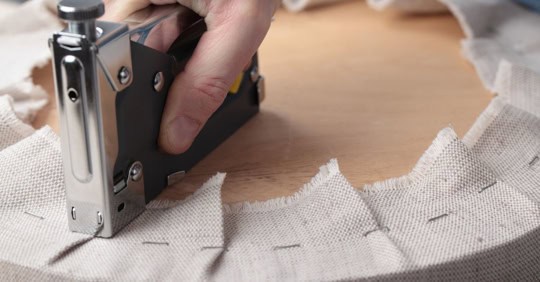
- Upholstery Application: The new fabric is expertly applied, stretched, and secured, paying close attention to pattern matching and smooth finishes.
- Final Touches: Trims, decorative details, and any final adjustments are made to complete the transformation.
Choosing the Right Fabric for Your Furniture Project
Selecting the appropriate fabric for a furniture project requires balancing durability, style, and maintenance needs. DM Interiors guides clients through these considerations to find the best material for each piece and its intended use. Fabric choice significantly impacts the furniture’s longevity and appearance.
For example, high-traffic areas benefit from more resilient options, while decorative pieces may allow for more delicate materials. We advise considering factors like resistance to fading, pilling, and spills, especially for items in family rooms or dining areas. Fabric types vary greatly in their properties and feel.
When selecting your fabric, consider both the aesthetic you wish to achieve and the practical requirements of the furniture. The wrong fabric can shorten the lifespan of even a well-reupholstered item, making long-term satisfaction harder to achieve. Reupholstery benefits from careful planning in this regard.
| Factor | Consideration |
|---|---|
| Durability | High-traffic furniture requires fabrics like tightly woven synthetics or leather that resist wear. |
| Style Suitability | The fabric pattern and texture should complement the furniture’s design and room decor, whether traditional or modern furniture styles. |
| Maintenance | Easy-to-clean fabrics are best for homes with children or pets; some materials require professional cleaning. |
| Color and Pattern | Consider how lighting affects the fabric’s appearance and how patterns integrate with other elements in your space. |
DM Interiors’ Reupholstery Transformation Examples
When furniture pieces are structurally sound but aesthetically dated, homeowners face a decision between replacement and restoration. The cost and effort of each option present a significant consideration for maintaining both style and budget.
Eleanor loves her grandmother’s armchair but its floral fabric is no longer in style with her current decor. While she appreciates the chair’s solid construction, she’s unsure if the cost and process of reupholstery would be worth it compared to buying a new piece. Should Eleanor reupholster her vintage armchair or purchase a new one?
Recommendation: Reupholstering the vintage armchair
DM Interiors would recommend reupholstering the vintage armchair when maintaining sentimental value and unique character is a priority. This option can offer a refreshed look at a lower cost than a comparable new piece, while preserving the chair’s original craftsmanship. We often find that quality older frames respond well to modern reupholstery techniques, extending their life for many years.
FAQ
Beyond the immediate cost savings, the benefits of reupholstery extend to sustainability and preserving cherished pieces. Here, we address some common questions about the many reupholstery benefits to help you make an informed decision.
| Question | Answer |
|---|---|
| How does reupholstering a chair compare financially to buying a new one? | Reupholstering furniture can cost 30-50% less than purchasing a new piece of comparable quality. This is because you retain the original frame and internal components, which are often more durable than those in mass-produced new furniture. This cost-saving aspect makes it an appealing choice for refreshing a space. |
| What environmental advantages come with choosing reupholstery? | Reupholstering furniture reduces landfill waste by extending the lifespan of existing items. It conserves resources that would otherwise be used for manufacturing new furniture. This process gives well-constructed pieces a second life, lessening the demand for new materials. |
| Can reupholstery help preserve antique or heirloom furniture? | Yes, reupholstering can preserve the value and integrity of antique or heirloom pieces. It allows you to update the appearance with new fabric while maintaining the original craftsmanship and sentimental attachment. Skilled craftspeople can also make necessary repairs to the frame and springs. |
| How does selecting a new fabric impact a reupholstery project? | Choosing a new fabric allows you to update a furniture piece’s look to match current decor or personal style. The fabric’s durability, texture, and maintenance needs should be considered based on the furniture’s intended use and location. DM Interiors guides clients in selecting materials that suit both aesthetic and practical requirements. |