
Answer
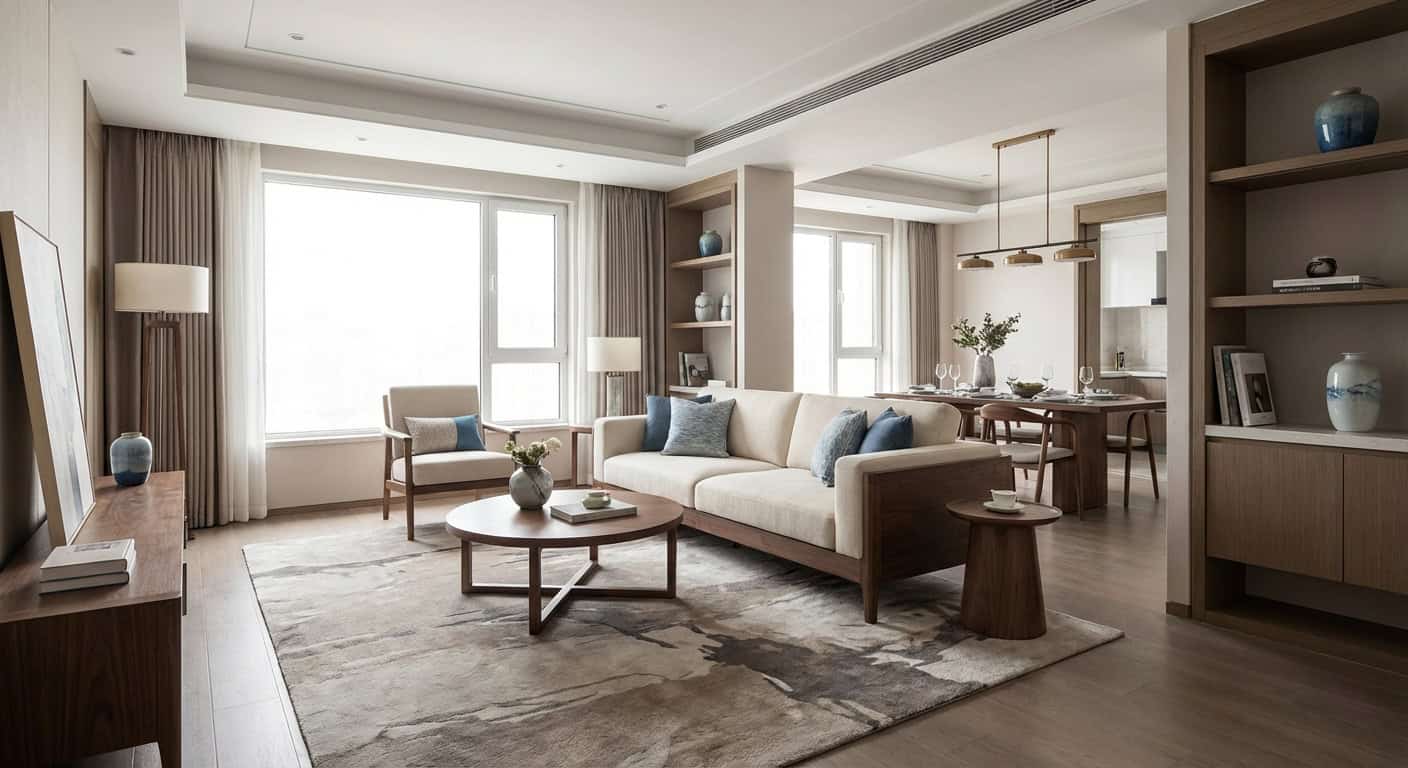
Interior services offer expert direction and project completion for designing or renovating spaces. Their work extends from initial concept development through to final installation. These offerings commonly include planning room layouts, selecting materials, developing color schemes, and sourcing furniture. The goal is to create environments that are both practical and visually appealing. DM Interiors provides custom design solutions, ensuring each project meets the client’s specific vision and functional requirements.
Overview
This section details the professional design solutions offered for homes and businesses. It explains how specific design principles apply to various spaces and projects. The content also covers the design process from initial concept through to project completion.
A real-world scenario featuring Chloe illustrates how DM Interiors addresses a design challenge with practical advice and solutions.
- Service Options: Learn about various interior design offerings for residential and commercial settings.
- Design Guidelines: See important design principles that form effective interior projects.
- Project Steps: Review the step-by-step design process DM Interiors follows for each client.
- Service Matching: Get advice on selecting services that fit specific project objectives.
- Real-World Example: Observe a client project from its early ideas to its finished state.
- Final Touches: Discover how to create your ideal space with expert assistance.
DM Interiors Service Offerings Detailed
DM Interiors delivers a range of design services, taking spaces from initial ideas to finished projects. We collaborate directly with clients, making sure each project meets their specific style and practical needs. This keeps the design process clear and effective.
We present interior services clearly, helping clients choose well for their properties. Our methods cover many design areas, from home renovations to commercial space planning, ensuring a unified appearance.
| Service Category | Description |
|---|---|
| Residential Interior Design | DM Interiors develops custom design plans for homes, including living rooms, bedrooms, and kitchens. These plans focus on creating comfortable and attractive living environments. Kitchen Interior Design can refresh a home’s main gathering area. |
| Commercial Interior Design | Our services also assist businesses, designing welcoming and productive workspaces. This covers retail layouts, office updates, and hospitality settings. We often help with Commercial Interior Design to show a company’s brand identity. |
| Space Planning | Arranging room layouts for good flow and use forms a main part of our service. This includes furniture placement, movement paths, and storage options. Good space planning makes any setting both beautiful and useful. |
| Material and Finish Selection | Selecting appropriate materials, such as flooring, paint colors, and wall coverings, greatly impacts the final look. We guide clients through choices that fit their budget and design goals. Consider how new window coverings in a room can change its entire mood. |
| Furniture and Decor Procurement | We help choose and source furniture, lighting, accessories, and artwork. This ensures every piece contributes to the overall design vision. Our procurement process simplifies getting quality items that match the design plan. |
Design Principles for Your Project
Effective interior design projects rely on applying core principles. These guidelines define a space’s purpose and appearance, making sure all parts combine effectively. DM Interiors begins each project by establishing these foundational elements to match client objectives.
DM Interiors uses principles such as balance, rhythm, emphasis, and harmony to build unified environments. For example, a living room might feature symmetrical furniture for a formal feel, or an asymmetrical layout for a more active look. Considering design services through these principles helps clarify project decisions.
| If You Choose | Consider |
|---|---|
| Residential Design | Focus on personal comfort, family routines, and long-term use. For instance, living room interior or bathroom interior design often centers on the user’s experience. |
| Commercial Design | Emphasize brand identity, employee output, and client impressions. This may involve arranging layouts for smooth traffic flow or selecting durable, easy-care materials for busy areas in commercial interior design projects. |
DM Interiors Design Process Step-by-Step
Achieving successful interior projects relies on a clear, organized sequence. DM Interiors guides each project through a defined process, starting with an initial meeting and progressing through design, execution, and final review stages.
A methodical process helps avoid errors and keeps projects aligned with client expectations and budgets. We maintain open communication at every step, from initial ideas to the final furniture placement. This structured method helps achieve client satisfaction.
- Initial Consultation and Discovery: We start with a discussion to learn about your requirements, style preferences, and project scope. This covers your desired look, practical needs, and budget. This first meeting sets the direction for all subsequent work.
- Concept Development and Space Planning: Following our discussions, we create initial design concepts and detailed space plans. This phase includes mood boards, material selections, and preliminary furniture arrangements to show the proposed direction for your area. We ensure all suggested changes are both visually appealing and practical for daily living.
- Design Presentation and Refinement: We present the concepts, layouts, and material choices for your review. This interactive stage allows us to gather your feedback and make adjustments to finalize the design direction. We work together to get the best result.
- Selection and Procurement: After design approval, we assist with choosing and acquiring all necessary items, such as furniture, lighting, window treatments, and accessories. We manage orders, track deliveries, and coordinate with suppliers to simplify the process. For instance, selecting appropriate window coverings can greatly impact light control and privacy in your home.
- Project Management and Installation: DM Interiors coordinates every aspect of project implementation, collaborating with contractors and tradespeople. We supervise installations to ensure everything meets the approved design and quality standards. Our focus is on making the installation process smooth and efficient.
- Final Styling and Walkthrough: The project concludes with final styling touches and a complete walkthrough of the finished space. We address any remaining details and confirm every element meets your expectations. The aim is to deliver a space that fully reflects your vision.
Choosing Interior Services for Your Needs
Selecting an interior design partner begins with defining your project’s scope and overall vision. Consider if you need help with a single room update, a complete home remodel, or commercial space design. DM Interiors finds that many clients benefit from an initial consultation. This helps establish goals and ensures the chosen services match expectations and budget.
Every project has distinct requirements, including specific aesthetic preferences and functional needs. Clients should consider their desired timeline and how much they want to participate in decisions. For instance, a homeowner aiming for a complete change might prefer a full-service approach, while someone needing small updates could opt for specific consultations. These elements guide the selection of appropriate interior services.
| Project Type | Scope of Service | Ideal For |
|---|---|---|
| Single Room Redesign | Color palettes, furniture selection, and styling for one space. | Homeowners wanting a fresh look for a living room interior or bedroom. |
| Full Home Renovation | Planning, material sourcing, and coordination for multiple areas. | Clients undertaking significant property updates, including kitchen interior design or bathroom remodels. |
| Commercial Space Update | Functional layouts, brand-aligned aesthetics, and project management for businesses. | Businesses looking to optimize their office, retail, or hospitality environments for efficiency and appeal. |
Client Project Showcase
Updating a home’s look and function often benefits from professional design help. Balancing personal style with practical needs can be challenging. Deciding whether to hire interior services marks a key point in any renovation or redesign project.
Chloe wants to update her living room but feels overwhelmed by the many choices and the work involved. She questions if investing in professional interior services will achieve a unified, well-executed design, or if she should try to do it herself. Should Chloe hire an interior design firm for her home refresh?
Recommendation: Engage Interior Design Services
DM Interiors suggests hiring interior design services for a complete refresh. This provides expert guidance from the initial idea through to final setup. Professional help ensures a consistent vision and efficient work, making sure the final space meets your practical needs and style preferences. View our Portfolio for examples of completed projects, or read our Before And After transformations for ideas.
Create Your Dream Space with DM Interiors
Home renovation decisions involve many choices, from full remodels to smaller updates. The best method depends on individual requirements, budget, and desired results for a home or commercial property. For instance, if a consistent look across several rooms is the goal, careful design planning offers clear advantages.
Clients often benefit most from a structured design process that considers both visual appeal and practical use. DM Interiors guides homeowners through material and finish selections, making sure choices match their overall vision. This ensures good coordination for all project elements, including furniture, finishes, and accessories, a key part of design services.
| Best For | Design Service | Reason |
|---|---|---|
| New Homeowners | Full-Service Interior Design | Provides a complete concept, from space planning to final installation, ideal for setting up an entire home efficiently. |
| Renovators | Specific Room Redesigns | Focuses on individual areas like a Kitchen Interior Design or Bathroom Interior Design, targeting updates for specific needs. |
| Businesses | Commercial Interior Design | Creates productive and inviting work environments that reflect brand identity and meet operational requirements. |
| Style Refresh | Color and Material Consultation | Offers guidance on palettes, textures, and finishes to update existing spaces without a full overhaul. |
DM Interiors suggests beginning with an initial consultation to establish the project’s extent. This helps set clear objectives and aligns expectations for the interior services provided, ensuring a customized approach for specific aims.
FAQ
To further clarify common questions about our offerings, the following frequently asked questions provide more detail on our interior services explained throughout this guide.
| Question | Answer |
|---|---|
| What is the difference between residential and commercial interior design services? | Residential interior design focuses on creating comfortable and beautiful living environments within homes, such as living rooms or kitchens. Commercial interior design, on the other hand, aims to create inviting and productive workspaces for businesses, including retail stores, offices, and hospitality settings. Commercial services often involve reflecting a company’s brand identity. |
| How does DM Interiors approach space planning in its design projects? | Space planning is a key service that optimizes room layouts for better flow and functionality. This includes arranging furniture, defining traffic patterns, and incorporating storage solutions. The goal is to achieve both aesthetic appeal and practicality in any setting. |
| What steps are involved in DM Interiors’ design process from start to finish? | The process begins with an initial consultation to understand your needs and preferences. This is followed by concept development and space planning, then design presentation and refinement based on your feedback. The next stages involve selection and procurement of items, project management and installation, and finally, final styling and a walkthrough. |
| When might a homeowner consider a full-service interior design approach versus a single room redesign? | A full-service interior design is ideal for homeowners undertaking significant property updates, like complete home renovations or remodels including kitchens and bathrooms. A single room redesign is better suited for those wanting to refresh just one specific space, such as a living room or bedroom. |