DM Interiors & Design Blog

Composite Shutters Vs Wood: Which Is Right for You?

Turning Your Vision Into Reality

Table of Contents

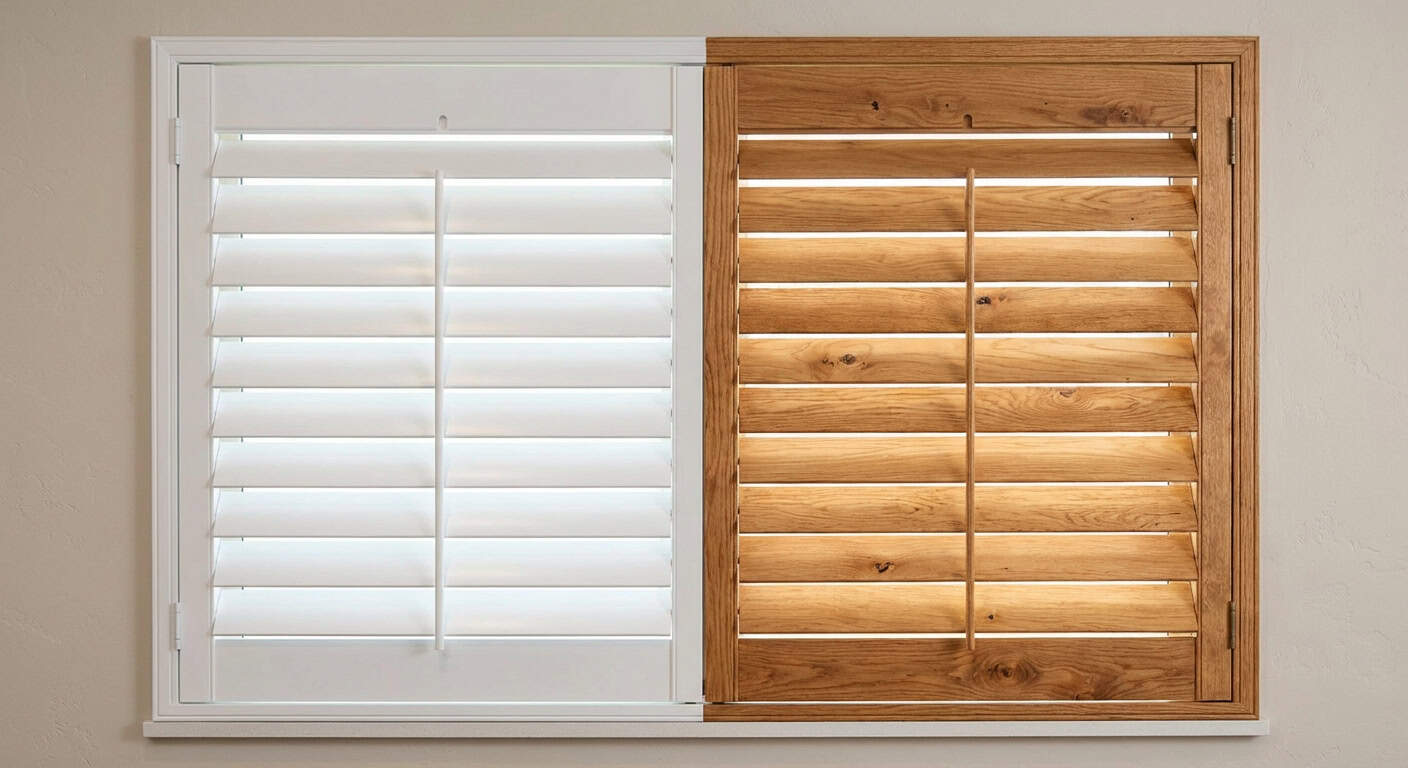
Wooden and white window shutters for interior decor.

Related Posts

April 20, 2026 | By DM Interiors & Design
Wooden and white window shutters for interior decor.

Composite Shutters Vs Wood: Making the Right Choice

Choosing between composite shutters vs wood is a significant decision for any homeowner looking to enhance their interior design and functionality. Both options offer unique benefits and aesthetic appeals, making the selection process a matter of balancing various factors such as durability, maintenance, and overall cost.

Understanding the core differences between these two popular shutter types is essential. While wood shutters are celebrated for their classic elegance and natural charm, composite shutters provide a modern, resilient alternative that stands up well to environmental challenges. When considering the overall aesthetic of your space, exploring options like interior color palettes can also greatly influence your final shutter choice.

This guide will delve into a detailed exploration of each type, helping you make an informed decision that perfectly suits your home’s specific needs and your personal style preferences.

What Are Composite Shutters?

Composite shutters offer a modern alternative to traditional wood window treatments, combining aesthetics with enhanced functionality. Unlike solid wood, composite shutters are engineered from a blend of wood products, PVC, or other synthetic materials, often finished with a durable coating. This construction gives them a distinct advantage when considering composite shutters vs wood in terms of resilience.

These shutters are designed to mimic the classic appearance of real wood, providing a sophisticated look without the susceptibility to certain environmental factors. Their robust composition makes them an excellent choice for areas with high humidity or frequent temperature fluctuations, where wood might warp or crack.

The manufacturing process for composite shutters typically involves pressing wood fibers or synthetic materials together under high pressure, then coating them with a protective layer. This layer contributes to their longevity and ease of maintenance, making them a practical option for busy households. For more information on different window treatments, explore our guide to window treatments for extreme climates for more.

Key characteristics and benefits of composite shutters include:

  • Moisture Resistance: Their synthetic composition makes them highly resistant to humidity and moisture, preventing warping, cracking, or peeling, which are common issues with wood in damp environments.
  • Durability: Built to withstand daily wear and tear, composite shutters are less prone to dents and scratches, ensuring a lasting appearance.
  • Low Maintenance: They require minimal upkeep, typically needing just a quick wipe down with a damp cloth to stay clean.
  • UV Resistance: Many composite shutters feature UV-inhibiting finishes that prevent fading and yellowing, maintaining their color over time.
  • Cost-Effectiveness: While offering a premium look, composite shutters are often more budget-friendly than high-quality wood shutters, providing excellent value.

For homeowners prioritizing durability, ease of care, and a consistent appearance in challenging environments, composite shutters present a compelling solution. They deliver the elegance of traditional shutters with the added benefits of modern material science.

What Are Wood Shutters?

Wood shutters offer a classic aesthetic and can be a beautiful addition to any home, though they require more care than composite options. Learn more about our wood shutter selection and their unique benefits.

Wood shutters represent a classic choice in window treatments, prized for their natural beauty and timeless appeal. Crafted from various types of hardwood, these shutters offer an unmatched level of sophistication and warmth to any interior design. When comparing composite shutters vs wood, the organic texture and grain patterns of real wood often stand out as a key differentiator.

The material properties of wood shutters contribute significantly to their aesthetic qualities. Common wood types include basswood, poplar, and even exotic woods, each offering unique characteristics in terms of grain, color, and density. This natural variation ensures that no two wood shutters are exactly alike, providing a bespoke feel to your home decor.

Wood shutters are highly versatile and can be customized with a wide array of stains and paint finishes. This adaptability allows them to seamlessly integrate with existing furniture and architectural styles, from traditional to contemporary. The ability to match specific color palettes or highlight natural wood tones is a major advantage for homeowners seeking a cohesive look, and our guide to interior color palettes can help you achieve this.

Beyond their visual appeal, wood shutters offer practical benefits. They provide excellent insulation, helping to regulate indoor temperatures and potentially reduce energy costs. Their solid construction also offers superior light control and privacy, allowing you to easily adjust the ambiance of any room. While the discussion often centers on composite shutters vs wood, the authentic charm of real wood remains a strong draw.

Key Differences: Composite Shutters vs Wood

Understanding the fundamental distinctions between composite shutters vs wood is crucial for making an informed decision for your home. These differences span various aspects, including durability, maintenance requirements, aesthetic appeal, overall cost, and resistance to environmental factors like moisture. For a deeper dive into material choices, explore our guide on custom window treatments for more.

By comparing these key factors, homeowners can better gauge which shutter material aligns best with their lifestyle, budget, and design preferences, ensuring long-term satisfaction.

Durability and Longevity

When comparing composite shutters vs wood shutters, durability is a significant factor. Composite shutters are engineered from a blend of wood products and synthetic materials, often providing enhanced resistance to warping, cracking, and fading, especially in high-humidity environments.

Traditional wood shutters, while robust, are more susceptible to environmental changes. They can expand or contract with fluctuations in temperature and moisture, potentially leading to wear over time if not properly maintained. For more on keeping your home stylish, check out our guide to interior design trends and tips for more.

Maintenance Requirements

The maintenance required for composite shutters vs wood also varies considerably. Composite shutters are renowned for their low maintenance. They typically only require occasional wiping with a damp cloth to remove dust and grime, and they do not need repainting or restaining.

Conversely, wood shutters demand more consistent care. To preserve their appearance and integrity, they may require periodic cleaning, polishing, and potentially refinishing or repainting every few years, particularly if exposed to direct sunlight or humidity. For ideas on enhancing your windows throughout the year, check out our post on seasonal window decor trends.

Aesthetic Appeal and Customization

Aesthetics play a vital role in the choice between composite shutters vs wood. Wood shutters offer a classic, natural beauty with unique grain patterns that add warmth and elegance to any room. They can be stained or painted in a wide array of colors, offering extensive customization to match specific interior designs. For inspiration on how to achieve this, explore our guide to custom interior design for more.

Composite shutters are designed to mimic the look of real wood, often coming in various finishes and colors. While they provide a consistent appearance, some homeowners may find that they lack the authentic, organic texture and feel of genuine wood.

Cost Considerations

The initial investment for composite shutters vs wood can be a deciding factor for many homeowners. Generally, composite shutters tend to be more budget-friendly upfront than custom wood shutters. This is largely due to the manufacturing process and material costs involved.

While wood shutters typically have a higher initial price tag, their long-term value can be substantial, as they are often considered a premium architectural feature that can enhance a home’s resale value. Considering both the immediate and future costs, as well as how well your window treatments will perform in extreme climates, is important.

Moisture and Humidity Resistance

Resistance to moisture and humidity is a critical differentiator when evaluating composite shutters vs wood, particularly for specific rooms like bathrooms or kitchens. Composite shutters excel in these environments due to their synthetic components, which make them highly resistant to moisture absorption.

Wood shutters, being a natural material, are more prone to damage from high humidity, which can lead to warping, swelling, or mildew growth. For areas with significant moisture exposure, composite options often provide a more practical and durable solution, especially when working with custom interior designers to create your dream home.

The choice between composite shutters vs wood ultimately depends on your priorities regarding durability, aesthetics, maintenance, and budget, with each material offering distinct advantages for different home environments.

Benefits of Composite Shutters

Composite shutters offer a compelling blend of durability and aesthetic appeal, making them a popular choice for many homeowners. Their resistance to moisture and UV rays ensures they maintain their appearance and structural integrity over time, even in challenging conditions. For a wide selection of these versatile window treatments, explore our comprehensive window treatments collection.

When weighing composite shutters vs wood, the specific advantages of composite options often stand out for homeowners seeking modern solutions. Composite shutters are engineered from a blend of wood products and synthetic materials, offering enhanced durability and resilience that traditional wood might lack in certain environments. Our team has observed firsthand how these shutters maintain their integrity even in high-humidity areas like bathrooms or kitchens, making them a practical choice for various rooms in a home. For more information on different window treatments, explore our guide to modern innovations in shades and blinds for more.

One of the primary benefits of composite shutters is their exceptional resistance to moisture and humidity. Unlike natural wood, composite materials do not warp, crack, or peel when exposed to fluctuating moisture levels. This makes them ideal for climates with high humidity or for placement near sinks and showers where wood might quickly deteriorate. This inherent stability also contributes to their longevity, providing a lasting window treatment solution, especially when considering window treatments for extreme climates for more.

Another significant advantage lies in their low maintenance requirements. Composite shutters typically only need a simple wipe-down with a damp cloth to remove dust and dirt, eliminating the need for special cleaning products, polishing, or refinishing that wood shutters often require. This ease of care helps preserve their appearance over time with minimal effort from the homeowner.

From an aesthetic perspective, composite shutters offer a consistent and uniform look. They can be manufactured to perfectly mimic the appearance of painted wood, providing a classic shutter style without the natural imperfections sometimes found in wood grain. This uniformity ensures a sleek and polished finish that complements a wide range of interior designs, from contemporary to traditional. Their construction also allows for precise louver operation, offering excellent light control and privacy.

Furthermore, the robust nature of composite shutters translates to excellent value for money. While the initial cost can sometimes be comparable to wood, their superior durability and minimal maintenance often lead to lower long-term expenses. This makes them a smart investment for homeowners looking for a beautiful, long-lasting, and practical window treatment that holds up against the rigors of daily life.

Benefits of Wood Shutters

Wood shutters offer a classic elegance that composite shutters vs wood alternatives often strive to emulate. Their natural beauty stems from the unique grain patterns and rich textures inherent in real wood, adding warmth and character to any room. This organic appeal makes them a favored choice for homeowners seeking to enhance their interior design with timeless elements.

The versatility of wood allows for extensive customization, including a wide array of stains and paint colors that can match or complement existing decor. This adaptability ensures that wood shutters can seamlessly integrate into various aesthetic styles, from traditional to contemporary, providing a sophisticated finish that elevates the overall ambiance of a space. For more on enhancing your home’s aesthetic, explore our guide to custom window treatments for your home.

Beyond aesthetics, wood shutters are also recognized for their durability and potential to increase a home’s value. When properly maintained, high-quality wood shutters can last for many years, becoming a lasting feature of the home. Their solid construction also contributes to improved insulation, helping to regulate indoor temperatures and potentially reduce energy costs.

Which Type is Right for Your Home? (Decision Guide)

Deciding between composite shutters vs wood shutters involves various factors specific to your home and lifestyle. This guide helps you navigate the choices by comparing key features such as durability, maintenance needs, aesthetic appeal, and cost, ensuring you select the best window treatment for your space.

Understanding these differences is crucial for making an informed decision that will satisfy both your practical needs and design preferences. For more information on selecting the perfect window coverings, explore our comprehensive guide to custom window treatments for more.

FeatureComposite ShuttersWood Shutters
DurabilityHighly resistant to moisture, warping, and cracking; ideal for high-humidity areas.Durable with proper care, but susceptible to moisture damage, warping, and fading over time.
MaintenanceLow maintenance; easy to clean with soap and water.Requires more care; occasional polishing or refinishing may be needed.
Aesthetic AppealConsistent finish, often mimicking wood grain; modern and versatile.Natural beauty, unique grain patterns, and warmth; classic and luxurious.
CostGenerally more affordable initially, offering long-term value due to durability.Higher initial investment, reflecting the premium material and craftsmanship.

Consider Your Home’s Environment

When choosing between composite shutters vs wood, the environment of your home plays a significant role. For rooms with high humidity, such as bathrooms, kitchens, or laundry rooms, composite shutters are often the superior choice. Their engineered material is designed to withstand moisture without warping or cracking, which is a common issue for natural wood in such conditions.

Conversely, for living areas and bedrooms where humidity is less of a concern, wood shutters can bring unparalleled warmth and natural beauty. Their organic texture and rich finishes can complement traditional or rustic decors beautifully, much like how transformative wallpaper in Marietta GA can update a space.

Evaluate Your Lifestyle and Maintenance Preferences

Your daily routine and how much time you’re willing to dedicate to upkeep are crucial factors. If you prefer a hands-off approach, composite shutters are an excellent option, requiring minimal cleaning. For those who appreciate the timeless elegance of wood and don’t mind a bit of extra care, wood shutters offer a luxurious feel and can be found at premium wood shutter retailers.

Your daily routine and willingness to perform maintenance should also influence your decision. If you prefer a low-maintenance solution, composite shutters are an excellent option. They require minimal cleaning and are highly resistant to everyday wear and tear, making them suitable for busy households or homes with children and pets.

If you appreciate the timeless appeal of real wood and are prepared for occasional maintenance, wood shutters might be more aligned with your preferences. They may require periodic cleaning with specialized products and protection from direct sunlight to prevent fading or damage. Explore the benefits of wood shutters for a classic look, or consider the differences between cellular and roman shades for another window treatment option.

Budget and Long-Term Value

Cost is a practical consideration for many homeowners. Composite shutters typically have a lower upfront cost than wood shutters, making them an attractive option for those working with a tighter budget. Their durability and resistance to damage also contribute to their long-term value, as they often last for many years without needing replacement or extensive repairs. Explore modern innovations in shades and blinds for other budget-friendly window treatments.

While wood shutters represent a higher initial investment, they can also increase the resale value of your home due to their premium quality and classic aesthetic. For some, the enduring elegance and natural appeal of wood justify the higher price point, viewing them as a valuable long-term asset.

Aesthetic Goals and Design Vision

The overall look and feel you want to achieve in your home is a primary factor. Wood shutters offer a natural, rich, and sophisticated aesthetic that can add significant character and warmth to a room. They are often chosen for homes aiming for a classic, traditional, or high-end look. Explore interior color palettes to complement your design vision, and consider the specific benefits of various window treatments for achieving your desired atmosphere.

Composite shutters, while mimicking wood, offer a more uniform appearance and are available in a broader range of colors and finishes. They can seamlessly integrate into both modern and traditional interiors, providing a versatile option for diverse design schemes.

Specific Window Requirements

Consider the specific characteristics of your windows. For very large or unusually shaped windows, wood shutters might offer more customization options due to the flexibility of working with natural wood. However, advancements in composite manufacturing mean that composite shutters can also be custom-made to fit various window dimensions and shapes, including arched or angled windows.

It’s important to discuss your window dimensions and any unique features with a professional to ensure the chosen material can be adequately fabricated to meet your needs. Both options provide effective light control and privacy, allowing you to create the ideal atmosphere in any room. For more ideas on enhancing your living space, check out these 5 ways to give your living room a fun refresh.

Maintenance and Care Tips

Proper maintenance is essential to preserve the beauty and extend the lifespan of your window treatments, whether you choose composite shutters vs wood. While both offer distinct advantages, their care requirements differ due to their material composition. Adhering to specific cleaning routines will ensure your shutters remain in excellent condition for years to come, especially when considering the benefits of custom window coverings.

Regular cleaning prevents dust and grime buildup, which can dull finishes and potentially lead to material degradation over time. Understanding the best practices for each type of shutter is crucial for effective long-term care.

Caring for Composite Shutters

Composite shutters are renowned for their durability and resistance to moisture, making them relatively low-maintenance. Their synthetic composition means they are less prone to warping, cracking, or fading, especially in humid environments. For more information on different types of window treatments, explore our guide to cellular shades vs roman shades for more.

To keep composite shutters looking their best, follow these simple steps:

  1. Dust Regularly: Use a soft, dry cloth, a feather duster, or a vacuum cleaner with a brush attachment to gently remove dust from louvers and frames. This prevents dust accumulation, which can be harder to clean later.
  2. Wipe Down for Deeper Clean: For more thorough cleaning, lightly dampen a soft cloth with warm water and a mild, non-abrasive soap solution. Gently wipe down the surfaces, paying attention to any smudges or marks. Avoid harsh chemicals or abrasive cleaners, which can damage the finish.
  3. Dry Thoroughly: After wiping with a damp cloth, immediately dry the shutters with a clean, dry cloth to prevent water spots or streaks. Though moisture-resistant, drying ensures a pristine finish.
  4. Address Stains Promptly: For stubborn stains, a small amount of rubbing alcohol on a cotton swab can be effective, but always test on an inconspicuous area first. Avoid excessive scrubbing, which could scratch the surface.

Caring for Wood Shutters

Wood shutters offer classic elegance and natural beauty but require a bit more attention to maintain their pristine appearance. Since wood is a natural material, it is susceptible to changes in humidity and temperature, as well as potential damage from harsh cleaning agents. For more information on maintaining your window treatments, explore our guide to wood shutters.

Follow these guidelines to ensure your wood shutters retain their appeal; for more information on shutter types, explore our wood shutters guide.

  • Regular Dusting is Key: Just like composite shutters, regular dusting with a soft, dry cloth or a duster is essential. This prevents dust from embedding into the wood grain or finish.
  • Gentle Cleaning for Dirt: For dirt or grime, use a soft cloth lightly dampened with water. If necessary, a small amount of wood cleaner specifically designed for finished wood can be used. Always ensure the cloth is only slightly damp, never wet, to avoid saturating the wood.
  • Avoid Excess Moisture: Wood is sensitive to moisture. Never use excessive water or steam cleaners, as this can cause warping, swelling, or damage to the finish. Promptly wipe up any spills or moisture.
  • Protect from Direct Sunlight and Humidity: Prolonged exposure to direct sunlight can fade wood finishes, while extreme humidity can lead to warping. Consider using UV-protective window films or adjusting window coverings to minimize exposure during peak sunlight hours. Maintaining consistent indoor humidity levels can also help. For advanced light control options, consider how to control light with Hunter Douglas Duolite.
  • Polish Periodically: Depending on the finish, you might want to use a quality furniture polish or wax specifically designed for wood a few times a year. This helps protect the finish and restore its luster.

Whether you choose composite shutters vs wood, consistent and appropriate care will ensure your investment remains a beautiful and functional part of your home for many years.

Maintaining your shutters, whether composite or wood, ensures their longevity and preserves their aesthetic appeal within your home.

Cost Considerations: Composite vs. Wood

When evaluating composite shutters vs wood, the financial aspect often plays a significant role in the decision-making process. Understanding the initial investment, long-term value, and various factors influencing pricing can help homeowners make an informed choice that aligns with their budget and needs.

The upfront cost for wood shutters is typically higher than that for composite shutters. This difference is largely due to the natural material, the craftsmanship involved in working with real wood, and the specific wood species chosen. Composite materials, being engineered, often benefit from more streamlined manufacturing processes.

However, long-term value extends beyond the initial purchase price. Factors like durability, maintenance requirements, and potential for replacement over time contribute to the overall cost of ownership. While wood shutters can last for decades with proper care, composite shutters are designed for exceptional resilience in challenging environments. For those seeking ultimate convenience, consider exploring the benefits of automated window treatments for more.

Factors Influencing Shutter Pricing

The choice between composite and wood shutters can also be influenced by the specific needs of your home, such as its location and climate. For example, homes in extreme climates might benefit more from the durability of composite materials, as detailed in our guide to window treatments for extreme climates.

Several elements impact the final cost of both composite shutters vs wood options. These factors include:

  • Material Quality: The grade of wood or the specific composite formulation significantly affects pricing. Higher-quality materials generally come with a higher price tag.
  • Customization: Specialized finishes, unique paint colors, custom sizes, or unusual shapes will increase the cost for both types of shutters.
  • Installation Complexity: Windows that are unusually shaped, very large, or difficult to access can lead to higher installation fees.
  • Brand and Manufacturer: Reputable brands known for quality and warranty often have higher prices, reflecting their commitment to durability and customer service.
  • Operating Systems: Upgrades like hidden tilt rods or motorized control systems will add to the overall expense.

While composite shutters might offer a more budget-friendly initial investment, their resistance to moisture and warping often translates to lower maintenance costs and a longer lifespan in certain environments. Wood shutters, despite their higher initial cost, can be refinished and repaired, offering a different kind of long-term value and aesthetic appeal. For more information on window treatments, explore our shutters options.

Considering the cost differences between composite shutters vs wood is essential for finding the best window treatment solution for your home and budget.

Making Your Final Decision: Composite Shutters Vs Wood

When weighing composite shutters vs wood, your ultimate choice depends on a balance of your aesthetic preferences, functional requirements, and budget. Both options offer distinct advantages that cater to different home environments and homeowner priorities.

Consider the specific rooms where the shutters will be installed. For high-humidity areas like bathrooms or kitchens, composite shutters offer superior moisture resistance. For living spaces where a classic, natural look is paramount, wood shutters provide unmatched elegance and warmth.

Think about your long-term commitment to maintenance. If you prefer a low-upkeep solution that resists wear and tear, composite materials are an excellent fit. If you appreciate the character that develops with real wood and are prepared for occasional refinishing, wood shutters are a rewarding investment.

Finally, evaluate the cost implications. While composite shutters often have a lower initial price point, wood shutters can add significant resale value to your home. The decision between composite shutters vs wood ultimately comes down to which material best aligns with your vision for your home’s interior, and exploring custom wood shutters can help you achieve a personalized look, as seen in our Hamilton Mill project for more.

Ready to get started? Call DM Interiors & Design

Showroom - Flagship Store

By Appointment Only

Transformative Design Can Be Yours

Connect With Our Team Today

Have questions? Ready to get started? Reach out to the DM Interiors & Design team below or stop by our Marietta showroom today.

"*" indicates required fields

Name*

What Sets Us Apart

Elegant Solutions. Exceptional Finds.

Meet With An Expert Designer

Experience a personalized approach to achieving your dream space with our in-house designer, and discover the perfect design elements for your space.

No Project is Too Big or Small

Whether you’re revamping a single room or undertaking a full-home makeover, we're ready to help bring your vision to life.

Licensed, Insured, Vetted Pros

Home projects are stressful enough; you can rest assured that our team is licensed, insured, and thoroughly vetted for your peace of mind.

Financing Options Available

Our flexible financing options support you however you'd like to pay, making it easier than ever to achieve your dream interiors.