
Answer
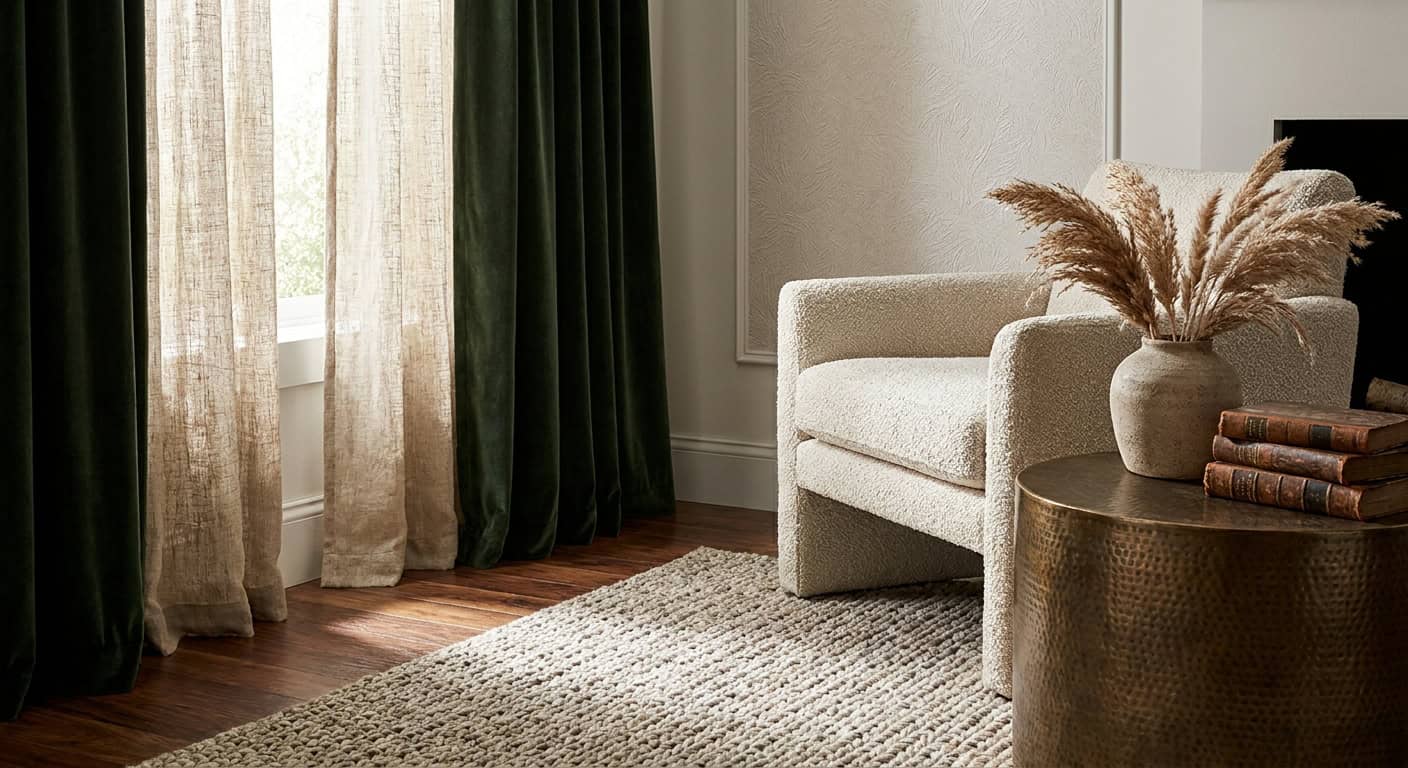
Interior design that incorporates texture improves a room by adding various surfaces and materials. This method creates visual appeal and physical depth, moving beyond just color and shape. It focuses on how elements, such as rough wood, soft fabrics, or smooth metals, work together to offer a multi-sensory experience. DM Interiors collaborates with clients to carefully choose these materials. This ensures each selection adds to the overall look and feel of a room, whether for homes or Commercial Interior Design projects.
Overview
Different surface qualities shape a room’s atmosphere and appearance. This content reviews specific materials and their effects, showing how to combine elements well. A real-world example featuring Eleanor shows design choices and business recommendations.
- Design Elements: Find out how various components influence interior atmosphere through design elements.
- Select Materials: Get methods for choosing and integrating materials for your space.
- Real-World Example: Examine a practical application of concepts in design examples.
- DM Interiors Approach: See DM Interiors’ methods for creating layered effects with our design approach.
- Visual Harmony: Consider the relationship between light, color, and visual harmony.
- Sensory Impact: Learn how tactile finishes create sensory impact.
Texture Interior Design Elements
Interior design uses texture to blend different surfaces and materials, creating a balanced sensory experience. Hard materials, such as polished stone or concrete, offer a sleek contrast to softer elements, adding both visual appeal and tactile interest. DM Interiors considers how various materials interact to achieve a unified feel within any space, including for Commercial Interior Design.
Each material contributes to a room’s character; for example, exposed brick can suggest a rustic atmosphere, while smooth glass brings a modern touch. Thoughtful combinations of these elements ensure a room feels welcoming and well-designed, building a layered aesthetic. Many local homeowners incorporate diverse materials in their Wall Decor Ideas to add distinct character.
| Element Type | Impact on Space |
|---|---|
| Fabrics | Soft furnishings like velvet, linen, or silk bring warmth and comfort, inviting touch. Consider how wall coverings can introduce woven or embossed textures. |
| Woods | Natural wood grains offer warmth and an organic look, ranging from smooth, finished surfaces to rough, reclaimed planks. |
| Metals | Shiny or brushed metals (e.g., brass, steel) add sleekness and reflectivity, often seen in fixtures or decorative accents. |
| Stone/Concrete | These firm, cool surfaces provide an earthy or industrial feel, creating a grounding presence in a design. |
| Glass | Transparent or frosted glass elements add lightness, reflections, and can diffuse light, making a space appear more open. |
Choose Textures for Your Space
When choosing textures for a space, consider the room’s purpose, the mood you want to create, and the material characteristics. Soft textures, such as velvet or chenille, create a comfortable and welcoming atmosphere, making them suitable for bedrooms or living areas. In contrast, hard, reflective surfaces like polished stone or glass offer a modern and expansive feel, often preferred in kitchens or contemporary dining rooms.
DM Interiors assists homeowners in choosing materials that enhance their current decor and architectural style. For example, shades provide different levels of softness or crispness based on their material. Various types of fabric add distinct tactile qualities to upholstery and drapes. Think about how each material affects the room’s overall sensory experience.
As you select textures, evaluate the durability and upkeep requirements of each material, particularly for areas with heavy foot traffic. This assessment helps ensure that your selections remain functional and appealing long-term. For instance, a rougher texture can conceal small flaws more effectively than a smooth, reflective surface.
| Situation | Texture Recommendation |
|---|---|
| Desire for a calm, quiet atmosphere | Incorporate soft textiles, plush rugs, and matte finishes to absorb sound and light. |
| Need for durability in high-traffic areas | Opt for resilient materials like woven rugs, textured wallpaper, or certain types of durable upholstery. |
| Aiming for a modern, sleek aesthetic | Feature smooth, reflective surfaces such as glass, polished metal, and fine-grained wood. |
| Creating visual interest in a minimalist design | Introduce a few contrasting textures, like a rough-hewn wooden accent against smooth walls. |
Texture Interior Design Examples
Creating a visually rich and engaging interior often requires more than just appealing colors and furniture. Adding various surfaces and materials significantly increases a room’s feel and visual depth.
Eleanor seeks to move past plain aesthetics in her living room. She considers how to bring in many tactile elements. She wants to know the best way to combine different textures to create a multi-sensory experience at home, ensuring each material choice adds to the overall atmosphere.
Recommendation: Strategic Texture Integration
DM Interiors suggests a planned method for combining textures. This involves balancing different materials, such as rough wood with smooth metals. Selecting elements carefully achieves visual interest and depth without making the space feel too busy.
DM Interiors Texture Approach
DM Interiors creates settings that match each client’s personal style through specific material pairings. Every project begins with a thorough discussion, making sure our suggestions fit the desired mood and use of the area. This method helps us choose materials that not only look good but also improve the room’s atmosphere.
Adding different materials changes a room, making it feel more finished and welcoming. Designers at DM Interiors consider how various textures work together, whether combining soft fabrics with smooth surfaces or pairing durable window coverings with distinct wall finishes. This attention to detail defines the firm’s approach to texture in interior design.
- Initial Talk and Goals: We begin by discussing your daily life, preferences, and how you imagine using the space. This helps clarify the feeling you want from your surroundings.
- Material Choices and Layers: With your goals in mind, we present a carefully chosen selection of materials. This covers items from wall coverings to furniture fabrics, highlighting how each layer adds to the overall touch experience.
- Personalization and Blending: DM Interiors then adapts these choices to suit your current architectural features and personal items. We make certain new textures blend well, forming a unified and attractive appearance.
- Project Direction and Setup: The firm directs the entire process, supervising the placement of selected textures to guarantee quality and exactness. We arrange all details for a smooth change, ready for areas like Office Interior Design.
- Review and Adjustments: We finish with a careful walkthrough, making any needed changes to get the texture balance just right and confirm full client satisfaction. The goal is to provide a space that feels distinctly yours.
Balance Texture, Color, and Light
Harmonious interior spaces result from a careful arrangement of elements. Combining different textures, colors, and lighting strategies establishes a unified and welcoming environment. When these components work together, they create depth and visual interest.
Layering texture in interior design with a selected color palette and effective lighting transforms any room. For example, pairing soft, plush fabrics with smooth, reflective surfaces adds richness. Strategic lighting then highlights these material differences. Considering all three elements from the start often produces more dynamic and personalized results.
| Element | Impact on Space | Considerations for Harmony |
|---|---|---|
| Texture | Adds tactile and visual depth. | Varying soft, rough, smooth, and hard materials creates interest. |
| Color | Establishes mood and atmosphere. | Warm tones invite coziness, cool tones promote calm. |
| Light (Natural & Artificial) | Shapes perception and accentuates features. | Lighting Design Create ambiance and highlight key textures or colors. |
| Window Treatments | Control light, add texture, and introduce color. | Sheer window treatments filter light, while heavier drapery offers privacy and insulation. |
Integrating these elements calls for a balanced approach; an excess of one can overshadow the others. For instance, a room with many highly textured surfaces might benefit from a more subdued color scheme and softer lighting to avoid visual clutter. Conversely, a minimalist design with limited textures improves with bolder colors and varied lighting effects to add personality and warmth.
Achieve Depth with Tactile Texture
Creating depth through tactile texture introduces visual appeal and a welcoming atmosphere into any area. Materials such as unrefined wood, woven textiles, and sculpted pottery offer physical qualities that improve a space’s look beyond what is seen. Including varied surfaces makes rooms lively and thoughtfully arranged.
DM Interiors focuses on the tactile experience, suggesting a combination of soft and firm elements for balance. We observe how natural light interacts with different textures, such as a thick rug absorbing light versus a shiny metal accent, to improve the overall mood. This method connects elements from Design services to window treatment trends within a room.
| Tactile Element | Best for | Budget | Reason |
|---|---|---|---|
| Woven Rugs | Adding warmth and defining zones in large rooms | Mid to high | Provides softness underfoot and visual grounding |
| Wood Paneling | Creating a focal wall or accentuating architectural features | Mid to high | Offers natural warmth and structural texture |
| Textured Wallpaper | Introducing subtle patterns and depth without heavy objects | Low to mid | Adds fine-grain texture, enhancing visual richness |
| Velvet or Bouclé Fabrics | Upholstery, pillows, or throws for comfort and luxury | Mid to high | Invites touch and softens angular furniture lines |
| Ceramic Tiles | Backsplashes, accent walls, or flooring in kitchens and bathrooms | Low to high | Durable, adds varied patterns and a cool, smooth touch |
FAQ
To help you further explore the nuances of texture interior design, we’ve compiled answers to some common questions about incorporating various materials and elements into your home’s aesthetic.
| Question | Answer |
|---|---|
| How do different materials affect the feel of a room? | Hard surfaces like polished stone or concrete offer a sleek contrast to softer elements, adding both visual and tactile interest. Fabrics such as velvet, linen, or silk contribute warmth and comfort, inviting touch. Woods, with their natural grains, provide organic appeal, ranging from smooth finishes to rough, reclaimed planks. |
| What is the role of metals and glass in texture interior design? | Shiny or brushed metals, like brass or steel, introduce sleekness and reflectivity, often used for fixtures or decorative accents. Transparent or frosted glass elements add lightness and can diffuse light, contributing to a more open feel in a space. |
| How can I choose textures that suit my home’s style and function? | Consider the room’s purpose and desired mood. Soft textures like velvet are suitable for cozy atmospheres, while hard, reflective surfaces like polished stone work well for modern, spacious designs. Always assess material durability and maintenance needs for high-traffic areas. |
| What is DM Interiors’ approach to integrating textures? | DM Interiors begins with a consultation to understand your lifestyle and vision for the space. They then propose a curated selection of materials, focusing on how each layer contributes to the overall tactile experience. Customization ensures new textures integrate smoothly with existing architectural elements. |