
Answer
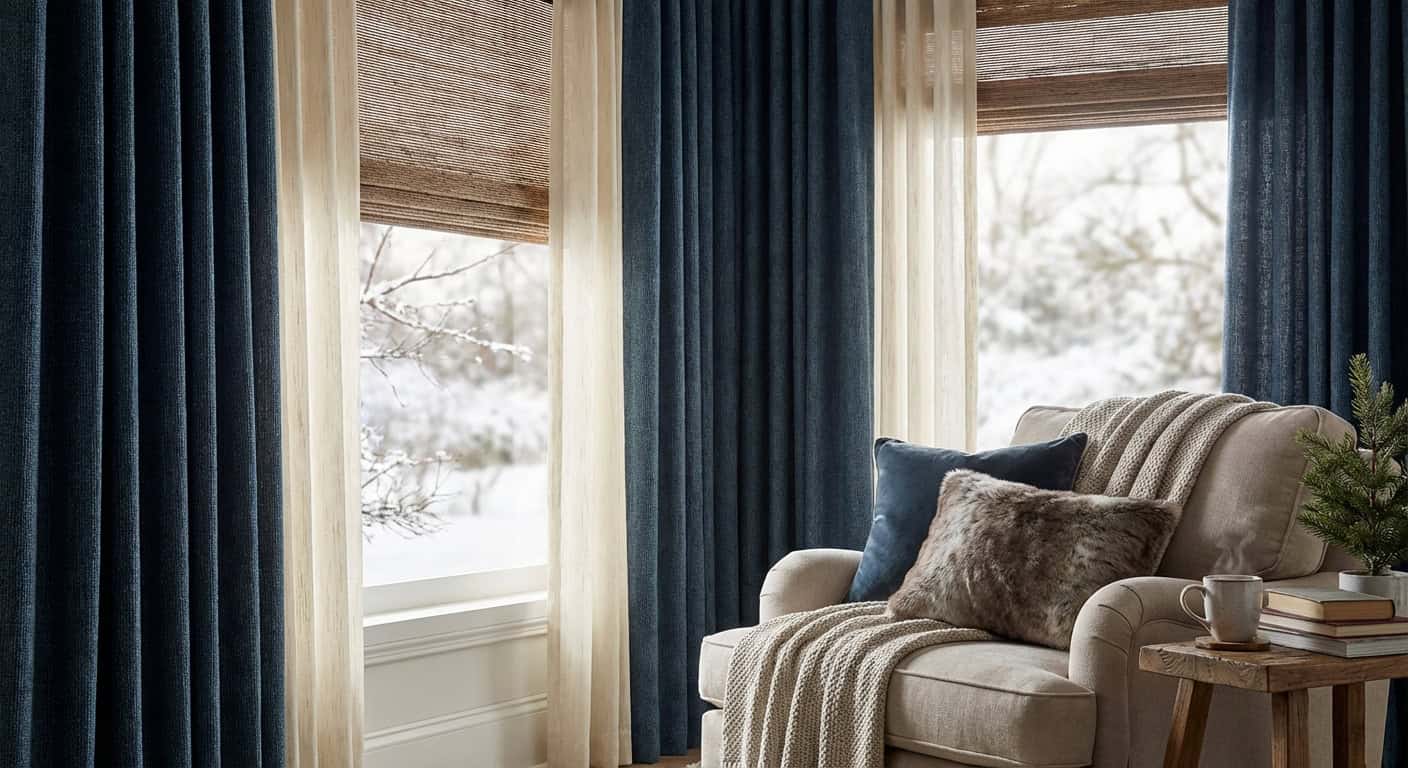
Seasonal window decor trends for 2026 highlight layered window treatments, emphasizing visual depth and adaptability. DM Interiors suggests combining multiple window coverings. This method provides flexible light control and brings dimension to architectural features. To update their homes, owners can choose natural materials and warm color palettes, creating welcoming window displays during colder months.
Overview
Updating a home’s appearance with seasonal window decor trends can make living spaces feel new. This content presents various ways to decorate windows throughout winter, from soft textiles to natural items. It also includes a hypothetical scenario with Eleanor, showing practical design choices for a comfortable home.
- Winter Warmth: Create a welcoming atmosphere with cozy winter decor.
- Layering Textures: Achieve a hygge ambiance using different textures.
- Real-World Example: Observe Eleanor’s application of concepts in DIY snowflakes and icicles.
- Window Treatment Styles: Select window treatments for winter.
- DM Interiors Picks: Review DM Interiors’ top seasonal picks.
- Nature Indoors: Find ideas for winter window displays using natural elements.
Embrace Winter Warmth With Cozy Decor
Making an interior feel inviting during colder months often starts with window treatments. Homeowners frequently shift from lighter summer styles, concentrating on textiles and lighting to boost comfort. DM Interiors observes a rising demand for fabrics that provide both insulation and a soft visual appeal as the year cools.
Incorporating seasonal window decor trends helps sustain a comfortable indoor setting. DM Interiors recommends thicker drapes or insulated shades to hold warmth, particularly for windows facing north or west. These selections offer a cozy appearance and practical advantages for temperature control.
Layering Textures For Hygge Ambiance
A comfortable home atmosphere often comes from tactile elements, particularly in colder seasons. Adding different textures to your windows brings visual depth and increases warmth, helping to create a pleasant “hygge” sensation indoors. When choosing fabrics, pick materials that provide both insulation and a soft feel.
Combining varied textures adds visual appeal and improves energy efficiency by forming an extra barrier against drafts. For example, matching heavier drapes with lighter shades offers a dynamic appearance, adjustable light control, and thermal advantages. Select materials that naturally suggest comfort and warmth for seasonal window decor trends.
| Texture Type | Benefits for Windows |
|---|---|
| Velvet or Corduroy | These add luxurious depth and block cold drafts effectively. They pair well with more sheer window treatments underneath. |
| Wool or Faux Fur | This offers excellent warmth and a soft, inviting look. Use these as throws draped over curtain rods or as decorative accessories. |
| Linen or Cotton | These provide a natural, breathable layer that softens harsh light while still allowing some warmth. Consider a Your Interior Color palette that complements these fabrics. |
| Knitted or Woven Fabrics | These introduce intricate patterns and a handcrafted feel, perfect for adding rustic charm. They work well as accent panels or decorative items. |
DIY Snowflakes and Icicles
Homeowners often look to refresh their living spaces as seasons change. Window treatments offer both practical benefits, especially in colder months when natural light is less abundant. Creative decorations like DIY snowflakes and icicles can enhance this seasonal refresh, adding a festive touch to any window display.
Eleanor wants to update her home’s interior for winter. She considers both simple decorations and more elaborate layered window treatments. She wonders if layering is the best choice for her seasonal window decor, alongside festive DIY elements.
Recommendation: Layered Window Treatments and DIY Accents
DM Interiors suggests combining layered window treatments with DIY snowflakes and icicles for dynamic light control and visual depth. This method helps create a warm, inviting setting, particularly when using natural materials and warmer colors for winter. Pair existing shutters with sheer drapes for added texture and insulation, then accent with handmade paper snowflakes or delicate icicle ornaments for a complete winter look.
Choosing Window Treatments For Winter Style
Selecting window treatments for winter requires balancing visual appeal with practical benefits. Darker colors and heavier fabrics create a warm atmosphere while also insulating against cold temperatures. DM Interiors assists clients in finding options that offer both energy efficiency, helping maintain comfort during colder months.
Layering different window coverings adds visual depth and allows for adjustable light control. For example, combining sheer treatments with heavier drapes provides flexibility throughout the day. DM Interiors helps homeowners choose styles that complement their home’s design and meet their seasonal functional needs.
- Material and Fabric Weight: Heavier fabrics like velvet, wool, or thick linen add warmth and texture. Sheer materials placed underneath diffuse light when the heavier layers are open.
- Color Palette: Deep reds, forest greens, navy blues, and warm grays introduce a sense of coziness and sophistication. These colors also suit traditional winter decor themes.
- Insulation Properties: Look for window treatments designed to reduce heat loss, such as blinds with cellular designs or insulated drapes. This contributes to a more comfortable indoor setting.
- Light Control: Winter days are often shorter and grayer. Consider treatments that maximize natural light during the day, while providing privacy and warmth in the evenings. Dual-layer systems work well for this purpose.
- Style and Opacity: Roman shades, panel track blinds, and plantation shutters offer distinct styles and varying levels of light blocking. Choose opacity based on the room’s use and the desired mood.
DM Interiors’ Top Seasonal Picks
Updating your windows for winter means choosing treatments that provide both style and comfort. DM Interiors offers a selection of window coverings designed for current seasonal decor trends, making your home feel welcoming. Consider how different materials and designs improve your space during colder months.
When choosing window treatments, think about light management, insulation, and the overall room appearance. The right selection directly affects comfort and mood, especially as daylight hours shorten. Our method combines visual appeal with practical benefits for each room.
| Product Type | Best For | Seasonal Benefit |
|---|---|---|
| Shades | Bedrooms and living rooms needing soft, diffused light. | Provides excellent insulation and many fabric textures for a cozy feel. |
| Shutters | Rooms requiring privacy and precise light adjustment. | Offers superior insulation against cold drafts and a classic, clean look that suits winter themes. |
| Blinds | Spaces where flexible light control matters, such as home offices or kitchens. | Available in various materials that can add warmth or a natural touch, with easy operation for changing light conditions. |
| Retail Store | Homeowners seeking inspiration and many options for their entire home. | Discover a wide range of window covering styles and Before And After examples for winter ideas. |
Nature Indoors: Winter Window Displays
Natural elements bring warmth and texture to winter window displays. Items like pinecones, frosted berries, and bare branches introduce outdoor beauty inside. This method creates a calm, welcoming feel for the colder season.
DM Interiors observes that homeowners often look for ways to connect their indoor spaces with the outside, even when winter weather restricts outdoor time. Consider using natural elements that pair well with your current window treatments for a unified appearance. For instance, wood-toned shutters offer a rustic background for seasonal decorations.
| Natural Element | Best for | Reason |
|---|---|---|
| Pinecones | Window sills, mantelpieces | Adds rustic texture and warmth |
| Frosted Berries | Garlands, small vases | Provides a touch of color and natural sparkle |
| Bare Branches | Tall vases, hanging accents | Creates visual height and a minimalist winter feel |
| Eucalyptus Sprigs | Small arrangements, alongside existing decor | Offers a subtle scent and soft green hue |
FAQ
To help you further embrace the spirit of the season, we’ve compiled answers to some common questions about seasonal window decor trends, ensuring your home feels warm and inviting all winter long.
| Question | Answer |
|---|---|
| How can layered window treatments enhance a room’s winter atmosphere? | Layered window treatments add visual depth and flexibility to a room. Combining different coverings, like heavier drapes with sheer panels, allows for dynamic light control. This approach also contributes to a cozy feel by adding texture and potentially improving insulation against colder temperatures. |
| What natural elements can be incorporated into winter window displays? | Natural elements like pinecones, frosted berries, and bare branches work well for winter window decor. These items bring outdoor aesthetics inside, adding warmth and texture. They can be arranged on window sills, in vases, or as part of garlands to complement existing window treatments. |
| What types of fabrics are recommended for cozy winter window decor? | For winter window decor, consider fabrics that offer both insulation and visual softness. Velvet, corduroy, wool, or faux fur can add luxurious depth and warmth, effectively blocking drafts. Lighter options like linen or cotton can also work, especially when layered with heavier materials. |
| How do window treatments contribute to a home’s comfort during winter? | Window treatments can help maintain a pleasant indoor atmosphere during colder months by offering insulation and visual softness. Options such as thicker drapes or insulated blinds can help retain warmth, reducing heat loss. This practical benefit supports a cozy look while improving temperature regulation. |