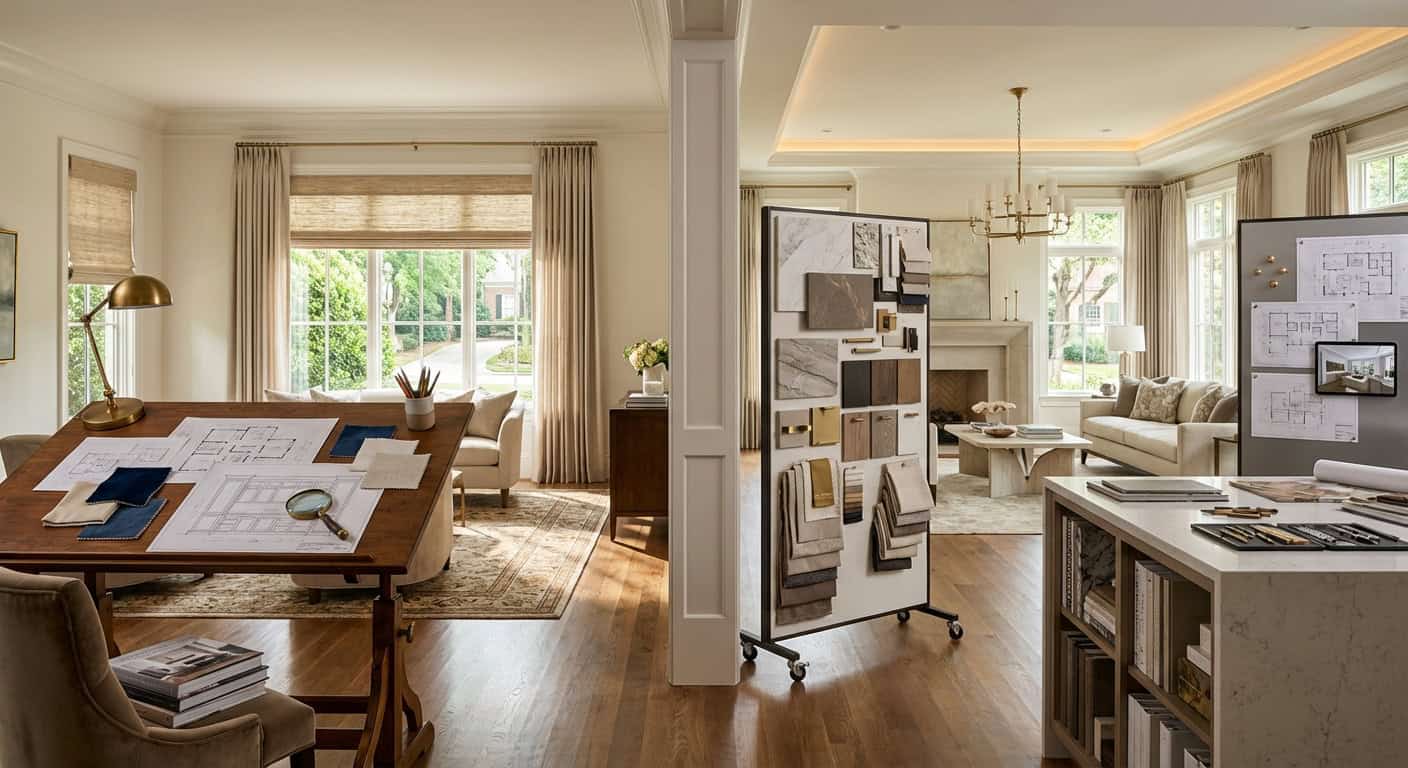
Understanding Interior Design Services
Interior design services transform living spaces by blending aesthetics with functionality, creating environments that are both beautiful and practical. These professional services go beyond simple decoration, focusing on how people interact with their surroundings to enhance daily life.
Engaging with professional interior design services offers a strategic approach to home improvement, ensuring every element, from furniture placement to lighting, contributes to a cohesive vision. Designers consider your lifestyle, preferences, and the architectural nuances of your home to craft personalized solutions. For instance, understanding your interior color palettes can significantly impact the mood and perception of a room, much like choosing the right window treatments for more.
The value of expert guidance lies in achieving a personalized and functional environment that reflects your unique style and needs. By collaborating with designers, homeowners can unlock their home’s full potential, creating spaces that inspire and provide comfort for years to come.
What Are Interior Design Services?
Interior design services encompass a broad range of professional assistance aimed at enhancing the aesthetic appeal and functional use of indoor spaces. These services go beyond simple decorating, involving a detailed understanding of architecture, space planning, and human behavior to create environments that are both beautiful and practical. For inspiration on how to achieve a stylish home, explore our interior design trends tips for more.
When you engage with professional interior design services, you can expect a tailored approach to transforming your home. Designers work closely with clients to translate their visions into reality, ensuring every element aligns with their lifestyle and preferences.
The scope of interior design services typically includes:
- Space Planning: Optimizing the layout of rooms to maximize flow and functionality. This involves careful consideration of furniture placement, traffic patterns, and overall spatial dynamics.
- Color Consultation: Guiding clients in selecting appropriate color palettes that create desired moods and complement existing architectural features. For inspiration, explore our interior color palettes guide for more.
- Furniture and Decor Selection: Assisting in choosing furniture, lighting, textiles, and decorative items that fit the design scheme and client’s budget.
- Material and Finish Specification: Recommending and sourcing suitable materials for flooring, wall coverings, countertops, and other surfaces.
- Project Management: Overseeing the entire design process, from initial concept development to final installation, coordinating with contractors and vendors.
- Custom Design Elements: Creating unique, built-in features such as cabinetry, shelving, or millwork to add personalized touches.
Ultimately, these interior design services aim to craft a cohesive and personalized environment that reflects the client’s individual taste while meeting their functional needs.
Core Principles of Interior Design
Understanding the core principles of interior design is fundamental to creating harmonious and functional spaces. These principles guide professionals in making informed decisions about aesthetics, layout, and atmosphere, ensuring every element works together cohesively. Effective interior design services integrate these concepts to translate visions into tangible, beautiful environments. For example, when considering window treatments, understanding the differences between composite shutters vs wood can significantly impact the overall aesthetic and functionality of a room.
- Enhanced Functionality: Thoughtful application of design principles ensures spaces are not only visually appealing but also highly practical for daily living.
- Aesthetic Cohesion: Principles like balance and unity help create a consistent and pleasing visual flow throughout a home.
- Optimized Space Utilization: Strategic space planning maximizes the use of available area, even in smaller rooms.
- Mood and Ambiance Creation: Color theory and lighting design are instrumental in setting the desired mood and atmosphere for each room.
- Increased Property Value: Well-designed interiors can significantly enhance a home’s appeal and market value.
Mastering Space Planning and Flow
Space planning is one of the most critical aspects of professional interior design services. It involves meticulously arranging furniture, fixtures, and architectural elements to optimize usability and create seamless movement throughout a room or an entire home. This principle considers both the physical dimensions of a space and the way occupants will interact within it. For example, understanding interior color palettes can greatly influence the perception of space and flow, as detailed in our guide to interior design trends and tips for more.
Effective space planning ensures that each area serves its intended purpose efficiently, avoiding clutter and promoting an open, inviting atmosphere. Designers carefully map out traffic patterns, define zones for different activities, and select appropriately sized furnishings to prevent overcrowding or underutilization of space. This thoughtful approach transforms ordinary rooms into functional and aesthetically pleasing environments.
The Art of Color Theory and Lighting
Color theory and lighting are powerful tools in interior design, capable of dramatically altering the perception and mood of a space. Color choices influence emotions and visual depth, with warm tones creating coziness and cool tones promoting serenity. Expert interior design services leverage color psychology to achieve specific atmospheres, from vibrant and energetic to calm and sophisticated. For inspiration on how to use color effectively, explore your interior color palettes guide, or discover seasonal window decor trends for more.
Similarly, lighting design goes beyond simply illuminating a room; it involves layering different types of light—ambient, task, and accent—to enhance architectural features, highlight decor, and improve functionality. Strategic lighting can make a room feel larger, more intimate, or more dynamic, playing a crucial role in the overall success of a design scheme.
Achieving Balance and Harmony
Balance and harmony are essential for creating an interior that feels complete and visually satisfying. Balance refers to the equal distribution of visual weight within a room, which can be symmetrical (identical elements on either side of a central axis) or asymmetrical (different elements with similar visual impact). Achieving balance prevents a space from feeling lopsided or chaotic.
Harmony, on the other hand, is about creating a sense of unity and cohesion where all elements, including textures, patterns, and forms, work together without clashing. Professional interior design services skillfully combine various components to ensure a cohesive aesthetic, making the entire home feel like a thoughtfully curated space. This careful integration brings peace and order to the environment, reflecting a refined approach to design.
Key Interior Design Services Offered
When considering a home transformation, understanding the range of available interior design services is crucial. Professional designers offer a spectrum of expertise, ensuring every aspect of your project is meticulously planned and executed. These services are tailored to meet diverse client needs, from minor updates to complete home renovations.
Each service contributes to creating functional, aesthetically pleasing, and personalized spaces. Whether you’re building new or revitalizing an existing area, expert custom interior designers can guide you through the complexities of design and execution.
- Initial Consultation & Concept Development. This foundational step involves understanding your vision, lifestyle, and preferences. Designers discuss project scope, budget, and timelines, then develop preliminary concepts and mood boards to define the aesthetic direction.
- Space Planning & Layout Optimization. Effective space planning is vital for functionality and flow. Professionals analyze existing layouts or design new ones, ensuring optimal furniture placement, traffic patterns, and utilization of every square foot.
- Material & Finish Selection. From flooring and paint colors to countertops and wall coverings, designers assist in selecting materials and finishes that align with the concept, budget, and practical requirements of your space.
- Furniture & Decor Procurement. Sourcing the right furniture, lighting, textiles, and decorative accessories is key to bringing a design to life. Designers leverage their industry contacts to find unique pieces and manage the purchasing process.
- Custom Millwork & Cabinetry Design. For bespoke solutions, designers can create custom designs for cabinetry, built-ins, and other millwork, ensuring seamless integration with the overall aesthetic and maximizing storage and utility.
- Lighting Design. A well-executed lighting plan enhances ambiance, highlights architectural features, and provides necessary illumination. Designers specify appropriate fixtures and schemes, considering both natural and artificial light sources.
- Project Management & Coordination. Overseeing the entire project, designers act as a liaison between clients and contractors, managing schedules, budgets, and installations to ensure a smooth and timely completion.
Benefits of Professional Interior Design
Engaging professional interior design services offers numerous advantages beyond simply making a space look good. Designers bring a wealth of expertise to create environments that are both beautiful and highly functional.
One significant benefit is the potential for cost savings. While it might seem counterintuitive, professionals often have access to trade discounts on furniture and materials, which can offset their fees. They also help avoid costly mistakes that can arise from DIY projects, ensuring your investment is well-placed.
Efficient project management is another key advantage. Interior designers oversee every detail, from planning and procurement to installation. This streamlined approach ensures projects stay on schedule and within budget, minimizing stress for homeowners. Our team ensures that all aspects of your design project are handled with precision.
Furthermore, professional interior design services help you achieve a cohesive and personalized design vision. Designers translate your ideas and preferences into a unified aesthetic that reflects your unique style and meets your specific needs. This results in spaces that feel truly tailored and lived-in. Explore our interior design trends tips for inspiration.
The real-world expertise of professional designers can dramatically transform a home. For instance, we once worked with a client who struggled with a cramped living area and an outdated kitchen. By reconfiguring the layout, optimizing storage solutions, and selecting appropriate furnishings and lighting, we created an open, inviting space that seamlessly blended modern aesthetics with practical functionality, significantly enhancing their daily living experience.
Choosing the Right Interior Design Services
Selecting the ideal interior design services is crucial for transforming your vision into reality. It requires careful consideration of your needs, the project’s scope, and the designer’s expertise and style.
Finding the right match ensures a smoother process and a result that truly reflects your aesthetic and functional desires. Look for professionals who understand your lifestyle and can translate it into a cohesive design.
When evaluating interior design services, consider the designer’s portfolio to see if their past work aligns with your preferred style. Communication is key, so choose someone with whom you feel comfortable discussing your ideas and concerns openly. For inspiration on how to refresh your space, explore our living room refresh ideas for more.
Comparing Interior Design Service Types
Different interior design services offer varied approaches and levels of engagement. Understanding these distinctions can help you determine which option best suits your project and budget. For those seeking a highly personalized and comprehensive approach, consider the benefits of working with custom interior designers to create your dream home.
| Service Type | Description |
|---|---|
| Full-Service Design | Comprehensive project management from concept to completion, including space planning, material selection, procurement, and installation. Ideal for large-scale renovations or new builds. |
| E-Design/Online Design | Remote design services providing mood boards, floor plans, and shopping lists via digital platforms. Suitable for clients who prefer a DIY approach with professional guidance. |
| Consultation Services | Hourly or fixed-fee meetings for advice on specific design challenges, color schemes, furniture placement, or styling tips. Best for minor updates or guidance. |
| Decorating Services | Focuses primarily on aesthetics, such as furniture, accessories, textiles, and color palettes, without structural changes. Perfect for refreshing existing spaces. |
Factors to Consider When Selecting a Designer
Beyond the type of service, several factors should influence your decision when choosing interior design services. These elements contribute to a successful collaboration and a satisfying outcome. For example, if you’re looking to update your home’s aesthetic, exploring current interior design trends can provide valuable inspiration, and for specific enhancements, consider how custom window treatments can elevate your home’s style and value.
- Experience and Specialization: Does the designer have experience with projects similar to yours (e.g., residential, commercial, specific styles)?
- Portfolio and Style: Review their past work to ensure their aesthetic aligns with your preferences and vision.
- Communication and Personality: Choose a designer whose communication style resonates with you and who understands your needs.
- Budget Transparency: Discuss fees, project costs, and payment structures upfront to avoid unexpected expenses.
- Client Testimonials and References: Look for reviews and ask for references to gauge client satisfaction and professionalism.
- Contract and Scope of Work: Ensure a clear, detailed contract outlining all deliverables, timelines, and responsibilities.
Popular Interior Design Styles
Understanding popular interior design styles is crucial for homeowners looking to define their aesthetic preferences. Professional interior design services excel at translating these styles into tangible living spaces, ensuring every element aligns with your vision. Whether you prefer minimalist modern or rustic farmhouse, designers can help you achieve the perfect look for your home. Explore our guide to interior color palettes to further enhance your design choices, or consider how elements like wallpaper Marietta Ga can transform your home’s style.
Each style possesses unique characteristics that influence furniture choices, color palettes, and overall ambiance. Exploring these distinct styles can help you communicate your preferences more effectively when engaging with interior design services.
Modern and Contemporary Design
Modern and contemporary design styles are often confused, but they offer distinct aesthetics that professional interior design services can help you navigate. Modern design, originating from the early to mid-20th century, emphasizes clean lines, functional forms, and natural materials. It often features open-plan layouts and a neutral color palette with pops of bold color. When selecting window treatments for these styles, consider options like cellular shades vs roman shades to complement your aesthetic.
Contemporary design, on the other hand, refers to what is current and evolving. It borrows elements from various styles and is less rigid than modern design, often incorporating curved lines, mixed materials, and a more eclectic feel. Both styles prioritize simplicity and decluttered spaces, creating serene and sophisticated environments.
- Modern: Focuses on functionality, clean lines, natural wood, and often a neutral color scheme with primary accents.
- Contemporary: Reflects current trends, embraces fluid forms, can incorporate various textures, and may feature a broader range of colors.
- Key Elements: Minimal ornamentation, open spaces, and an emphasis on natural light are common to both.
Traditional and Classic Aesthetics
Traditional design draws inspiration from historical periods, emphasizing ornate details, rich fabrics, and classic furniture silhouettes. It evokes a sense of timeless elegance and comfort. Understanding these styles is crucial for selecting the right interior color palettes to complement your chosen aesthetic.
Traditional and classic aesthetics in interior design draw inspiration from historical periods, creating spaces that are timeless, elegant, and comfortable. These styles often feature rich wood tones, intricate details, and ornate furnishings. When working with interior design services, clients seeking a traditional look can expect an emphasis on symmetry and luxurious fabrics. For those interested in how technology can blend with these styles, exploring modern innovations in shades and blinds can offer new possibilities.
Classic design, often associated with European influences, prioritizes grandeur and sophistication, utilizing elements like crown molding, antique pieces, and a formal layout. Both styles create a sense of heritage and refined taste, providing a warm and inviting atmosphere that stands the test of time.
- Traditional: Characterized by dark wood, detailed craftsmanship, classical artwork, and plush textiles.
- Classic: Emphasizes symmetry, architectural details, elegant furnishings, and often a subdued, rich color palette.
- Common Features: Antiques, formal arrangements, and a focus on comfort and established beauty.
Bohemian and Coastal Vibes
For those who prefer a more relaxed and free-spirited atmosphere, bohemian and coastal interior design styles offer unique and inviting options. Bohemian design celebrates individuality and eclecticism, blending patterns, textures, and global influences. It often features natural materials, vibrant colors, and a mix of vintage and handmade items, creating a cozy and artistic space. For inspiration on how to achieve a cohesive look, explore our guide to interior color palettes.
Coastal design evokes the tranquility of the seaside, using light color palettes, natural fibers, and nautical-inspired accents. Professional interior design services can help capture the essence of beach living, incorporating elements like weathered wood, linen fabrics, and ocean-inspired decor to create a breezy and refreshing environment. Understanding the benefits of specific window treatments can further enhance these styles, as detailed in our guide on reasons for bay window treatments.
- Bohemian: Known for layered textiles, global patterns, earthy tones mixed with bright colors, and an abundance of plants.
- Coastal: Defined by whites, blues, and sandy neutrals, natural textures like rattan and jute, and light, airy spaces.
- Shared Characteristics: An emphasis on comfort, natural elements, and a relaxed, unpretentious feel.
Cost of Interior Design Services
Understanding the cost of interior design services is a crucial step for homeowners planning a renovation or new build. The investment in professional design can vary significantly based on several factors, reflecting the scope and complexity of your project.
Professional interior designers typically structure their fees in different ways. This flexibility allows clients to choose a payment model that best suits their budget and project needs, whether it’s a small room refresh or a complete home overhaul. Clarity on pricing models helps in setting realistic expectations from the outset, and you can explore some 5 ways to give your living room a fun refresh.
Factors Influencing Design Costs
Several key elements contribute to the overall cost of interior design services. These factors help determine the time commitment, resources, and expertise required for a successful outcome. For instance, the choice of window treatments can significantly impact the budget, and understanding the custom window coverings benefits helps in making informed decisions.
- Project Scope: The size and complexity of the project are primary determinants. Designing a single room is less expensive than an entire house or a commercial space.
- Designer’s Experience: Highly experienced or in-demand designers often command higher fees due to their proven track record and unique vision.
- Location: Geographical location can influence pricing, with designers in major metropolitan areas typically charging more than those in smaller towns.
- Services Required: The specific interior design services you opt for, such as full-service design versus a consultation, will impact the total cost. Full-service typically includes concept development, space planning, material selection, procurement, and project management.
Common Pricing Structures
Understanding the various pricing structures is crucial for budgeting. Common models include hourly rates, fixed fees, and cost-plus percentages, each offering different benefits depending on the project’s nature and client preferences. For instance, some clients may prefer a clear understanding of costs upfront, while others are comfortable with an hourly arrangement. Exploring different options can help you find the best fit for your needs, and learning about custom interior design can provide further insight into personalized service options. For example, understanding how to control light with Hunter Douglas Duolite can also impact your design choices and budget.
Interior designers employ various pricing models to accommodate diverse client needs. Being familiar with these structures can help you better budget for your interior design services.
- Hourly Rate: Designers charge a set rate for each hour spent on the project. This is often suitable for smaller projects or consultations where the scope is not fully defined.
- Flat Fee/Fixed Rate: A single, all-inclusive fee for the entire project, typically used for projects with a clearly defined scope. This provides cost predictability for the client.
- Percentage of Project Cost: The designer’s fee is a percentage of the total budget for furniture, fixtures, and construction. This aligns the designer’s compensation with the overall project investment.
- Cost-Plus: Clients pay the wholesale cost of items plus a markup. This model is common for procurement of furnishings and materials.
- Per Square Foot: Some designers charge based on the square footage of the space being designed. This method is often used for larger residential or commercial projects.
It is always advisable to discuss pricing structures and obtain a detailed proposal before committing to any interior design services. This ensures transparency and helps prevent unexpected costs. For example, understanding the nuances of custom interior design can help you tailor your approach to specific client needs.
The Interior Design Process: Step-by-Step
Understanding the structured approach behind professional interior design services can demystify the transformation of your space. Each stage is carefully managed to ensure your vision is realized with precision and efficiency. This systematic process ensures that every detail, from initial concept to final execution, aligns with your aesthetic preferences and functional requirements.
Working with professional interior design services offers a clear pathway to achieving your dream home. Here is a typical step-by-step guide to the interior design process. For smart home integration, consider exploring the benefits of Powerview automated window treatments.
Initial Consultation: The process begins with an in-depth meeting to discuss your vision, lifestyle, budget, and timeline. This crucial first step allows the designer to understand your needs and preferences for the interior design services.
Concept Development: Based on the consultation, the designer develops initial design concepts, including mood boards, color palettes, and preliminary space plans. This phase translates your ideas into a tangible design direction. For inspiration on color choices, explore your interior color palettes guide.
Design Presentation: You’ll review detailed presentations featuring 3D renderings, material samples, and furniture selections. This is an opportunity to provide feedback and refine the design until it perfectly reflects your expectations.
Documentation and Procurement: Once the design is approved, comprehensive technical drawings are created. The designer then handles the procurement of all specified items, ensuring quality and timely delivery.
Project Management and Installation: The interior design services team oversees the entire project, coordinating with contractors and vendors. They manage the installation of furniture, fixtures, and finishes, ensuring everything is executed according to the design plan.
Final Walkthrough and Styling: The project concludes with a final walkthrough to ensure every detail meets your satisfaction. The space is then professionally styled, adding the finishing touches that bring the design to life.
Transforming Your Home’s Potential
Unlocking your home’s full potential is a primary benefit of engaging professional interior design services. These services go beyond mere aesthetics, focusing on creating environments that genuinely reflect your lifestyle and enhance daily living.
By thoughtfully redesigning your space, interior design services can introduce functionality you might not have envisioned. This means optimizing layouts, integrating smart storage solutions, and selecting furnishings that serve both form and purpose. For inspiration on how to achieve this, consider exploring interior design trends and tips for a stylish home.
Imagine rooms that flow seamlessly, offering both comfort and efficiency. Expert designers possess the insight to see beyond current limitations, transforming ordinary spaces into extraordinary havens that inspire and delight. The result is a home that not only looks stunning but also feels intrinsically “you.”
Ultimately, these professional services are about crafting spaces that support your well-being and productivity. Whether it’s a calm bedroom retreat or a vibrant entertaining area, the right design can significantly elevate your quality of life. This holistic approach ensures every corner of your home contributes to a harmonious and personalized experience.
Conclusion: Partnering for Your Dream Space
Collaborating with professional interior design services is the ultimate way to bring your vision for a beautiful and functional home to life. These services transform your living environment, ensuring every detail reflects your unique taste and lifestyle.
Our team understands that creating a dream space requires more than just aesthetics; it demands careful planning, expert execution, and a deep understanding of your needs. By entrusting your project to experienced professionals, you gain access to innovative solutions and a seamless design journey. Explore how custom interior designers can help create your dream home.
The journey to your ideal home begins with a conversation. Explore how comprehensive interior design services can elevate your space and enhance your daily living. Take the next step towards creating an environment you’ll love for years to come.