
Answer
Good interior design mixes current style directions with enduring features. This approach creates spaces that are attractive, functional, and remain relevant for many years. Designs stay fresh longer, avoiding a quickly outdated appearance. The focus is on careful selections rather than short-lived fads. DM Interiors helps clients combine their personal preferences with up-to-date design, aiming for lasting beauty in every project.
Overview
This content offers current interior design trends and practical applications for creating stylish homes. It provides actionable advice for incorporating modern aesthetics while keeping lasting appeal. DM Interiors assists clients in blending personalized style with contemporary concepts.
A real-world example is included, showing how Eleanor successfully balanced modern design with enduring choices in her home.
- Natural Elements: Learn how to bring nature’s calm indoors for a tranquil atmosphere.
- Bold Statements: See the impact of bold colors and textures in residential settings.
- Real-World Example: Review how Eleanor achieved her design goals with sustainable choices for her home.
- Smart Home Integration: Information on smart home technology combined with elegant designs.
- Trendsetting Designs: DM Interiors crafts designs that stay ahead of trends.
- Timeless Appeal: Advice on selecting timeless trends for enduring style.
Natural Elements for Serene Spaces
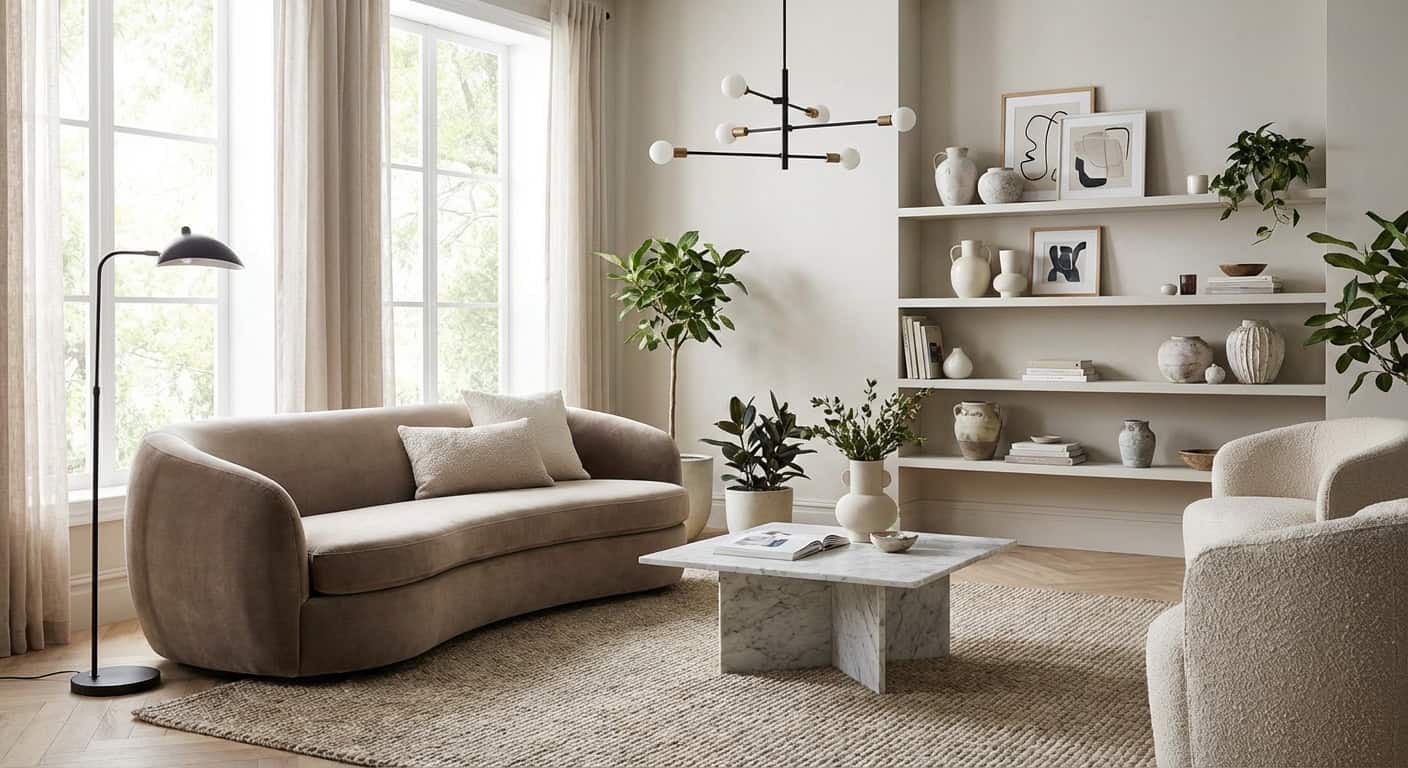
Bringing natural materials into home decor creates a calm setting, connecting interior spaces with the outdoors. Items such as wood, stone, and organic fabrics add textures and colors that promote peacefulness and visual interest. DM Interiors crafts spaces that incorporate these elements, building balanced living environments for clients.
Designers can apply these elements through various home features, from structural components to decorative items. For example, woven wood shades filter light naturally while adding texture to a room. DM Interiors often suggests natural textures for clients who desire a peaceful and grounded feel in their living areas.
| Material | Benefits in Design |
|---|---|
| Wood | Adds warmth and lasting appeal; appears in furniture, flooring, or accent pieces. Consider woven shades for windows. |
| Stone | Provides durability and a steadying presence; found in countertops, backsplashes, or decorative sculptures. |
| Rattan/Wicker | Offers a lightweight, textured look suitable for furniture or decorative baskets, enhancing a relaxed atmosphere. |
| Linen/Cotton | Delivers soft, breathable textures for upholstery, drapery, and bedding, contributing to a comfortable space. For more information, explore Biophilic Natural shades. |
Bold Colors & Textures: Making a Statement
Using strong colors and diverse textures establishes a unique feel in any interior. These elements, when applied thoughtfully, direct attention and delineate areas within a room, adding dimension and reflecting personal taste. DM Interiors assists clients in selecting vibrant shades and tactile finishes that align with individual preferences while maintaining visual balance.
Selecting vivid colors for walls or furniture, alongside engaging textures found in wall coverings or window treatments, can alter a space significantly. These choices go beyond neutral schemes to create a memorable impression. Careful combinations ensure that these prominent features appear unified rather than disordered.
| Criteria | Impact on Design | Consideration |
|---|---|---|
| Room Size | Large spaces can support expansive bold color applications. | Smaller rooms may benefit from bold accents to avoid overwhelming the space. |
| Color Impact | Warm tones (red, orange) create energy and intimacy. | Cool tones (blue, green) provide calmness and expand perception. |
| Texture Feel | Rough textures (stone, coarse fabrics) add grounding and warmth. | Smooth textures (silk, polished metal) bring sophistication and reflectivity. |
| Architectural Style | Modern interiors often pair bold colors with minimalist forms. | Traditional settings can incorporate rich textures and deep colors. |
Sustainable Design Choices for a Conscious Home
Homeowners frequently look to update their living spaces with current interior design trends, aiming for a modern look that also offers lasting appeal. The difficulty often involves separating temporary fads from styles that will remain attractive over time.
Eleanor wants her home to feel fresh and modern, but she worries about selecting trends that will soon appear dated. She considers whether to adopt the newest interior design trends or to stick with classic, enduring styles for her renovation. Should Eleanor prioritize current trends or timeless elements for her home update?
Recommendation: Balanced Design Method
DM Interiors suggests a balanced method that combines modern interior design trends with timeless elements. This strategy keeps a space appealing and current without quickly becoming outdated, allowing for personal touches while maintaining long-term style.
Smart Home Tech Meets Chic Aesthetics
Thoughtful integration of smart home technology makes living areas both practical and attractive. This method ensures that devices improve daily life without creating visual clutter. Many clients look for seamless integration of these systems, wanting both ease and beauty in their residences.
DM Interiors finds that balancing new technology with existing decor requires careful planning, especially when clients have varied preferences for window treatments. DM Interiors offers solutions that blend in, such as automated window coverings or lighting systems that homeowners operate discreetly.
- Hide Devices: Place wires, sensors, and hubs out of sight when possible. In-wall setups or custom cabinets can make smart devices less noticeable.
- Match Decor: Select smart devices that fit your home’s current style and color scheme. Many brands now provide finishes that complement traditional or modern interiors.
- Focus on Usefulness: Choose smart technology that truly enhances your daily activities, like PowerView guide Master systems that adjust to natural light changes.
- Plan for Connection: Consider how various smart devices will interact. A unified system provides a smoother user experience compared to separate gadgets.
- Think About Tomorrow: Design with future expansion in mind. Technology changes quickly, so pick systems that can adapt or upgrade over time.
DM Interiors Crafts Trendsetting Designs
DM Interiors creates spaces that blend modern aesthetics with enduring style. The firm balances current design influences with classic appeal, designing homes that remain relevant for years. This method ensures residences reflect contemporary tastes without requiring constant updates.
DM Interiors prioritizes client preferences, integrating Office Interior Design or residential elements that match individual style and practical needs. The firm advises choosing foundational items for longevity, then adding fashionable accents that are simple to change. This strategy helps manage project costs while refreshing a space’s appearance.
| Design Aspect | Approach |
|---|---|
| Color Palettes | We assist clients in picking versatile base colors, then introduce accent colors reflecting current interior design trends tips. For example, a neutral background allows for easy updates with new pillows or artwork. |
| Furniture Choices | Prioritize classic furniture shapes and quality materials for larger pieces. More current furniture, such as occasional chairs or decorative tables, can be added for a modern touch without needing a full redesign. |
| Materials & Textures | Adding natural elements like wood, stone, or woven shades brings warmth and texture that complements many styles. These materials often age well, contributing to a space’s lasting quality. |
Selecting Timeless Trends for Lasting Appeal
To prevent constant redecorating and maintain a home’s good looks, select interior elements designed for longevity. Prioritize core furnishings and classic styles that offer lasting appeal. This method allows for smaller updates using current accessories. DM Interiors guides clients to choose items reflecting their personal taste, avoiding temporary fads.
Material and color choices also contribute to a design’s long-term viability. Neutral palettes for large furniture items or wall treatments create a versatile background. This allows for simple integration of seasonal or evolving interior design tips. For example, selecting classic Wall coverings establishes a refined base for many years.
| Product/Style | Best for | Budget | Reason |
|---|---|---|---|
| Classic Wood Furniture | Living rooms, dining rooms, bedrooms | Mid to high | Durability and natural warmth; adapts to many styles. |
| Neutral Color Schemes | Any room, especially main living areas | Low to mid | Creates a serene background for accents; easy to refresh. |
| Quality Window Treatments | All windows, particularly high-traffic areas | Mid to high | Provides function and style that endures, like window treatments. |
| Subtle Patterned Textiles | Upholstery, throws, area rugs | Mid | Adds texture and visual interest without overwhelming. |
| Functional Lighting Fixtures | Kitchens, bathrooms, task lighting | Low to high | Essential for ambiance and utility; classic designs remain relevant. |
FAQ
For those seeking to refresh their living spaces, this section addresses common questions about navigating interior design trends tips to achieve both stylish and enduring results.
| Question | Answer |
|---|---|
| How can Eleanor balance new interior design trends with timeless styles for her home remodel? | DM Interiors suggests a balanced approach. This involves combining current interior design trends with enduring elements. This strategy helps ensure a space remains attractive and current without quickly feeling outdated. It allows for personalization while maintaining long-term appeal. |
| What role do natural elements play in creating serene interior spaces? | Incorporating natural materials like wood, stone, and organic fabrics establishes a calming atmosphere. These elements connect indoor spaces with the outdoors and introduce textures and tones that promote tranquility. Woven wood shades, for example, offer a natural light filter and add texture. |
| How can homeowners integrate smart home technology without compromising chic aesthetics? | Thoughtful integration is key. This involves hiding wires and sensors where possible, perhaps through in-wall installations or custom cabinetry. Choosing smart devices that match the home’s existing style and color palette is also important. Prioritize technology that genuinely improves daily routines. |
| What approach should homeowners take to select interior design trends for lasting appeal? | Focus on foundational pieces and classic styles that offer enduring appeal. This allows for minor updates with trending accessories. Neutral palettes for large furniture or wall treatments provide a versatile backdrop. Selecting timeless wall coverings can set a sophisticated base for years. |