
Answer
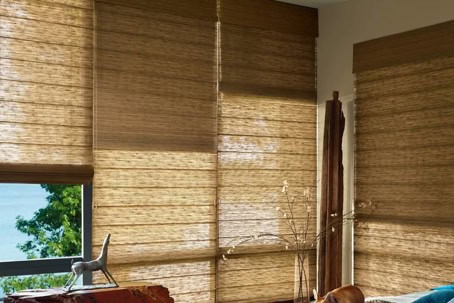
Biophilic Natural Shades introduce elements from nature into indoor spaces. They link interiors with the outdoor world through materials such as bamboo, reeds, and grasses. These window coverings improve comfort by filtering light gently and adding organic textures to any room. DM Interiors notes that natural textures and subtle patterns create a calming atmosphere in homes.
Overview
This content describes how different window shades support biophilic design, making home environments calm and peaceful. It examines material selections, light filtering abilities, and visual effects. Eleanor’s example shows how choosing biophilic natural shades affects interior comfort and appearance.
The following sections detail integrating nature-inspired window treatments into your living spaces:
- Interior Spaces: biophilic natural shades improve interiors.
- Shade Selection: Find guidance for choosing the right biophilic shades.
- Real-World Example: Observe Eleanor’s design choices creating a peaceful atmosphere.
- Design Elements: Learn about design elements for calm in your home.
- Practical Applications: Read about shades in various settings.
- Personalized Advice: Schedule a DM Interiors consultation for shades.
Biophilic Natural Shades for Interiors
Homeowners find bringing outdoor elements inside improves well-being and creates calm areas. Biophilic natural shades incorporate materials such as bamboo, reeds, and grasses, linking interior spaces with the natural world. These window coverings soften natural light, bringing warmth and organic textures to any room.
DM Interiors observes growing interest in products that follow biophilic design ideas, particularly for making peaceful living spaces. DM Interiors assists clients in selecting items that fit their current decor while adding natural elements. Woven shades or other natural shades provide a unique visual style, distinct from typical window treatments.
| Material Type | Aesthetic Contribution | Benefits for Interiors |
|---|---|---|
| Bamboo | Light, open, and structured designs | Delivers filtered light, lessens glare, and promotes a relaxed mood. |
| Reeds | Gentle texture with a natural, simple look | Adds natural softness and helps spread strong sunlight. |
| Grasses | Earth tones and diverse weaves | Brings warmth and a direct link to outdoor settings. |
Choosing the Right Biophilic Shades
Selecting window coverings made from natural materials brings the outdoors inside, improving any room. The room’s function, the amount of natural light it receives, and its current decor all direct the best material and weave choices. DM Interiors observes that reviewing how light passes through different textures assists clients in picking shades that enhance mood and comfort.
Spaces with abundant natural light often benefit from lighter weaves, which allow more diffused sunlight. Conversely, south-facing windows may require thicker materials to control glare. When choosing materials for biophilic natural shades, consider the overall look of the room. Ensure the shades complement other items, such as wood furniture or indoor plants. Custom window treatments provide a way to meet specific design requirements.
Various materials and styles deliver different visual effects and practical advantages. For instance, woven wood shades add a distinct texture and opacity, changing a room’s atmosphere. Another option, shades shutters blinds, combine diverse materials to manage light and privacy.
| Shade Type | Key Benefits | Best For |
|---|---|---|
| Woven Wood Shades | Adds organic texture; filters natural light; available in various opacities. | Living rooms, dining areas, or bedrooms seeking a warm, earthy feel. |
| Bamboo Shades | Sustainable material; provides semi-private light control; lightweight appearance. | Casual spaces, sunrooms, or areas needing diffused light. |
| Grass Weave Shades | Unique, subtle patterns; adds quiet texture; often includes natural liners. | Home offices, reading nooks, or bedrooms requiring a serene ambiance. |
Biophilic Natural Shades Painting Ideas
Designing a peaceful indoor space often involves incorporating elements from the natural world. Window coverings play a key part in controlling light and introducing organic textures, which contributes to a tranquil setting.
Eleanor wishes to apply biophilic design principles and add more natural elements to her home’s decor. She considers biophilic natural shades for organic textures and filtered light in her living room, but questions if this choice will truly create the calm space she desires. Should Eleanor select biophilic natural shades to achieve a more organic and calming indoor look?
Recommendation: Biophilic Natural Shades
DM Interiors suggests biophilic natural shades for homeowners aiming to integrate natural elements and establish a calming atmosphere. These shades provide organic textures and effective light filtering, improving indoor comfort and a connection to nature.
Biophilic Design Elements for Calm
Making a home peaceful involves more than just choosing window treatments. Bringing in broader biophilic design connects indoor areas with the natural world, supporting comfort. These design choices work together to create a serene setting for daily life.
DM Interiors recommends layering natural decor for a stronger biophilic effect. Incorporate texture, light, and organic shapes alongside natural window treatments. This blending of elements helps homeowners achieve a unified, calming space.
These biophilic design elements bring calm:
- Natural Light: Use full daylight and outdoor views. Sheer or adjustable light-filtering shades control glare and keep a connection to outside.
- Natural Materials: Include wood, stone, cork, and linen in furniture, flooring, and decorative items. These materials provide warmth and visual appeal.
- Biomorphic Forms and Patterns: Apply shapes and arrangements inspired by nature, such as curves, spirals, and fractal patterns, in art, fabrics, and architectural details.
- Nature-Inspired Colors: Select a color scheme from natural settings, like greens, blues, browns, and earthy tones. These colors evoke feelings of peace and openness.
- Connection to Water: Add elements such as small indoor fountains or aquariums, or artwork showing water scenes. The sound and sight of water can be very soothing.
- Plants and Greenery: Place houseplants, living walls, or botanical prints to add life and improve air quality. Different plant textures and sizes add depth to a room.
Adding these elements to your home can turn it into a peaceful refuge. Natural textures from woven shades establish a base for other nature-inspired accents. Thoughtful design merges function with an innate desire for environmental connection.
Consider these steps to blend biophilic design elements effectively:
- Assess Your Space: Find existing natural light sources and views. Determine where natural materials or plant life fit without clutter.
- Choose a Natural Color Palette: Select main and accent colors from nature, such as forest greens, sky blues, or sandy beiges. Ensure these colors create a smooth flow between rooms.
- Incorporate Natural Materials: Begin with foundational pieces like wood furniture or stone accents. Add textiles made from cotton, linen, or shades made from bamboo or jute.
- Add Greenery: Place plants strategically to improve air quality and visual appeal. Choose plants that do well in your home’s light conditions.
- Optimize Light and Views: Use window treatments that allow controlled natural light while offering outdoor views. Adjustments can create different moods throughout the day.
- Introduce Biomorphic Forms: Select decor items, art, or even furniture with organic shapes. These elements can soften harsh lines and create a more fluid look.
Biophilic Natural Shades in Action
Biophilic natural shades bring a distinct appearance and feel, connecting indoor spaces with the natural world. These window coverings, made from organic materials, function differently than synthetic options regarding light control, privacy, and durability. DM Interiors observes that clients often value the texture and subtle variations found in materials like woven woods, which give each shade a unique quality.
The way natural shades perform depends on the chosen material. For example, tightly woven bamboo shades offer more privacy and block more light than looser weaves. However, natural materials, while adding warmth and texture, may not provide the same moisture resistance or UV stability as some engineered fabrics. This applies especially to high-humidity areas or windows with strong, direct sun exposure. Homeowners should assess their specific environment before selecting.
The following table compares how various natural shade materials perform in typical home settings, showing their strengths and limitations. This information helps homeowners align shade features with their specific requirements.
| Material Type | Performance in Use | Considerations/Trade-offs |
|---|---|---|
| Woven Wood (Bamboo, Reed, Grass) | Filters light, adds texture, and provides privacy based on weave density. Creates a natural, earthy look. Woven shades can soften bright sunlight. | May not block all light in sleeping areas unless lined. Some materials can be affected by warping in high humidity or fading with extended sun exposure. |
| Natural Fibers (Jute, Sisal, Hemp) | Offers varying levels of opacity and texture, contributing to a calm atmosphere. Suitable for living areas where diffused light is desired. | Less formal than some fabrics; texture can feel rough. May require more careful cleaning compared to synthetic options. |
| Fabric (Linen, Cotton) | Creates a soft, flowing appearance, excellent for diffused light. Available with various colors and patterns. | Wrinkles more easily than synthetic fabrics. May not offer complete darkness unless specifically designed with an opaque liner. Roman shades often use these materials. |
DM Interiors Consultation for Shades
Choosing window treatments involves more than just looks; it means matching materials and styles to your home’s requirements. DM Interiors offers personalized consultations to help select shades that fit your interior design and lifestyle. We focus on how light filtration and privacy needs determine the best options for your space.
DM Interiors helps clients with various window treatment types, ensuring choices align with goals like natural light control or increased privacy. We inspect window dimensions and room orientation. This helps match materials and operating systems to specific situations. This direct approach helps homeowners select biophilic natural shades and other coverings with confidence.
Selecting custom window treatments means considering room function, existing decor, and a desired connection to nature. DM Interiors provides direct assistance to help you choose from available options, making sure your final selection suits your home perfectly. We assist with every step, from initial style choices to final installation details.
| Product | Best for | Budget | Reason |
|---|---|---|---|
| Roman shades | Classic interiors seeking soft textures and elegant folds. | Mid to high | Offers sophisticated fabric choices and excellent light control. |
| Cellular shades | Energy efficiency and sound absorption needs in any room. | Mid-range | Features a honeycomb design that traps air, providing insulation. |
| Window treatments | Homes needing versatile light management and privacy solutions. | Varies | Covers a broad category with diverse materials and operating systems to fit many styles. |
FAQ
Curious about incorporating biophilic natural shades into your home? Below, we address some common questions to help you understand the benefits and considerations of these beautiful window treatments.
| Question | Answer |
|---|---|
| What are the benefits of using woven wood shades for biophilic design? | Woven wood shades add organic texture and filter natural light, contributing to a calming atmosphere. They offer a natural, earthy aesthetic suitable for living rooms or bedrooms. These shades can soften harsh sunlight, creating a more diffused and pleasant illumination. |
| How do grass weave shades contribute to a serene home environment? | Grass weave shades introduce subtle, unique patterns and quiet texture to a room. They are best for creating a serene ambiance in spaces like home offices or reading nooks. These shades add a touch of natural warmth and visual interest without being overpowering. |
| When should I consider using natural fiber shades like jute or sisal? | Natural fiber shades are a good choice for living areas where diffused light is desired. Their varying degrees of opacity and texture contribute to a calm atmosphere. Be aware that these materials may require more delicate cleaning compared to synthetic alternatives. |
| How can I ensure my chosen natural shades manage moisture and sun exposure effectively? | When selecting natural shades, consider the material’s resistance to warping in high humidity and fading from prolonged sun exposure. Tightly woven bamboo shades offer more privacy and light blockage than looser weaves. Some materials may need liners for better light control or protection against intense sunlight. |